

Eileen Edmonds has facilitated programming for Theatre Under the Stars on Saturdays at the Metropolitan Multi-Service Center since 2007, but she’s never been as concerned about safety as she has been in the last year.
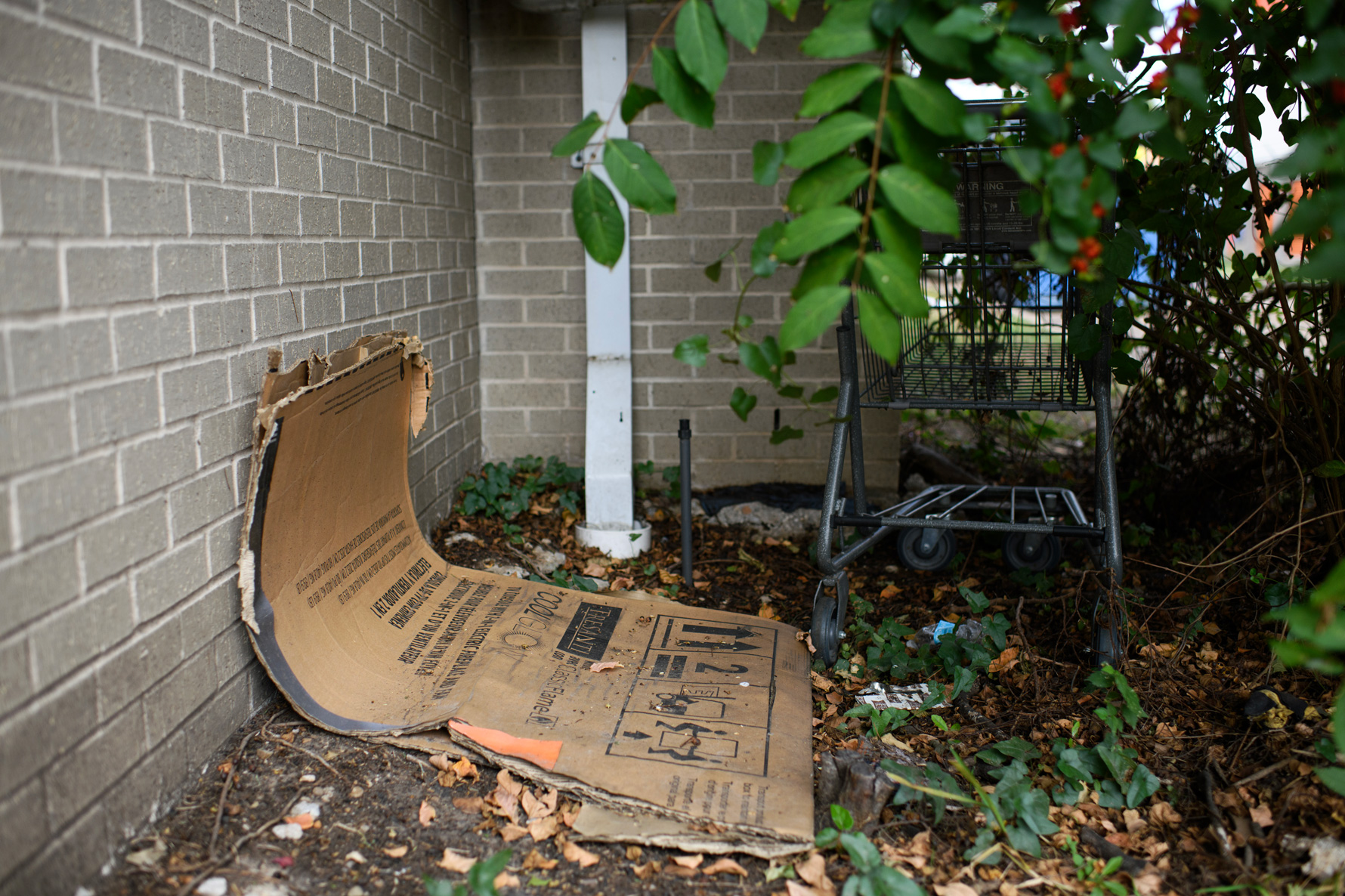
She said she has noticed and heard about ongoing suspicious, illegal activity, primarily from unhoused individuals who appear to have mental illnesses. She’s witnessed loitering, overnight camping on facility grounds, facility users being harassed, public sexual activity and individuals smoking marijuana near the building.
Edmonds has complained on numerous occasions to staff and park rangers, and even called the police. Other times, she has intervened and tried to deescalate situations herself. But as the associate director of education at TUTS, a nonprofit musical theatre, her job is to coordinate arts ensemble classes — not safeguard the multiservice center, Houston’s only adaptive recreational center for people with disabilities.
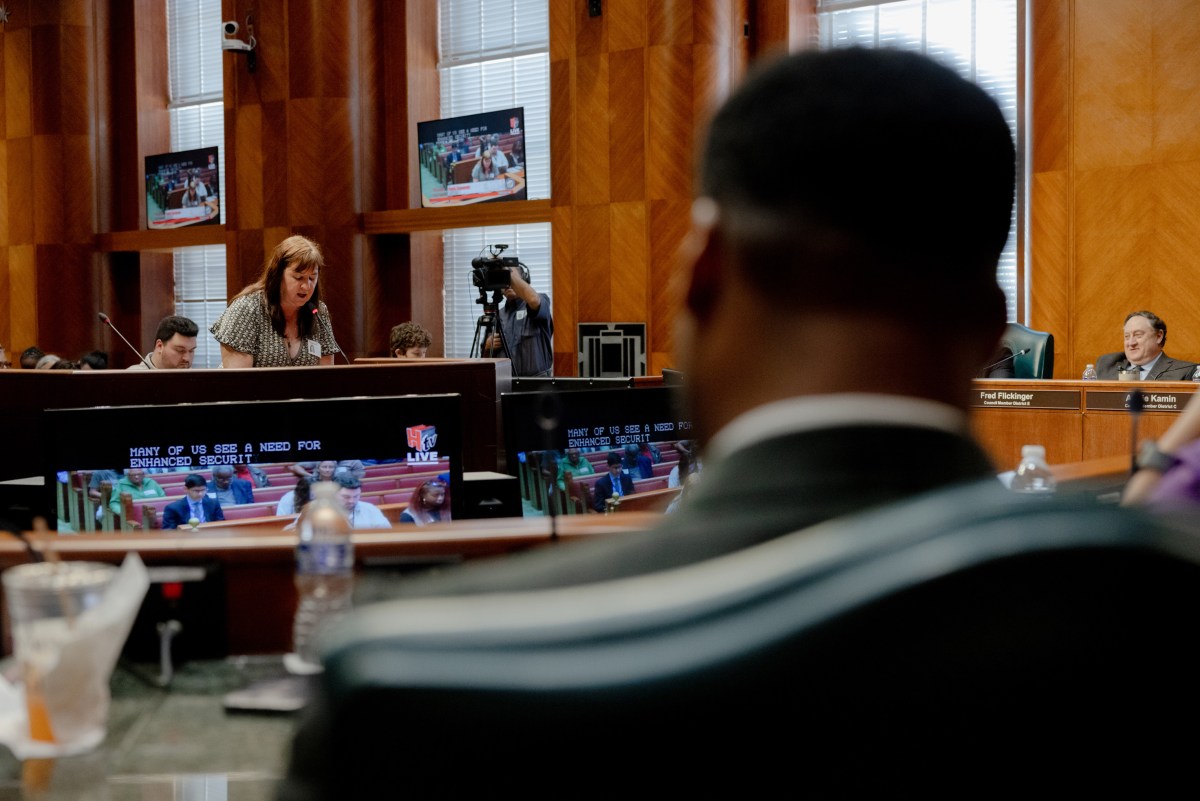
“I’m not trained in safety and security. I just have my street smarts and I want to keep those people protected,” Edmonds said at an October meeting for the Houston Commission on Disabilities.
She’s among a group of people — from staff to facility users, and parents of TUTS participants — who are concerned about the rise of security threats at the Metropolitan Multi-Service Center, 1475 West Gray St. They are pushing the City of Houston to prioritize the safety of one of its most vulnerable communities by contracting a full-time security guard.
This push is the latest outcry for the City of Houston to prioritize the center following decades of failed attempts to renovate it.
Bill White, a concerned TUTS parent, has noticed an increase in fights and other concerning behaviors at the multiservice center and nearby bus stop in the past 18 months. He believes these activities are primarily associated with individuals struggling with mental illness, and may pose a threat to people who use the MMSC, especially those with vulnerable disabilities.
“The sad thing is, a lot of them don’t even know what danger is lurking because of their disability or their challenge,” he said. “They may be visually impaired, they may just not be aware of their surroundings, like us. We get a sixth sense, we can see what’s going on. A lot of them can’t process that.”
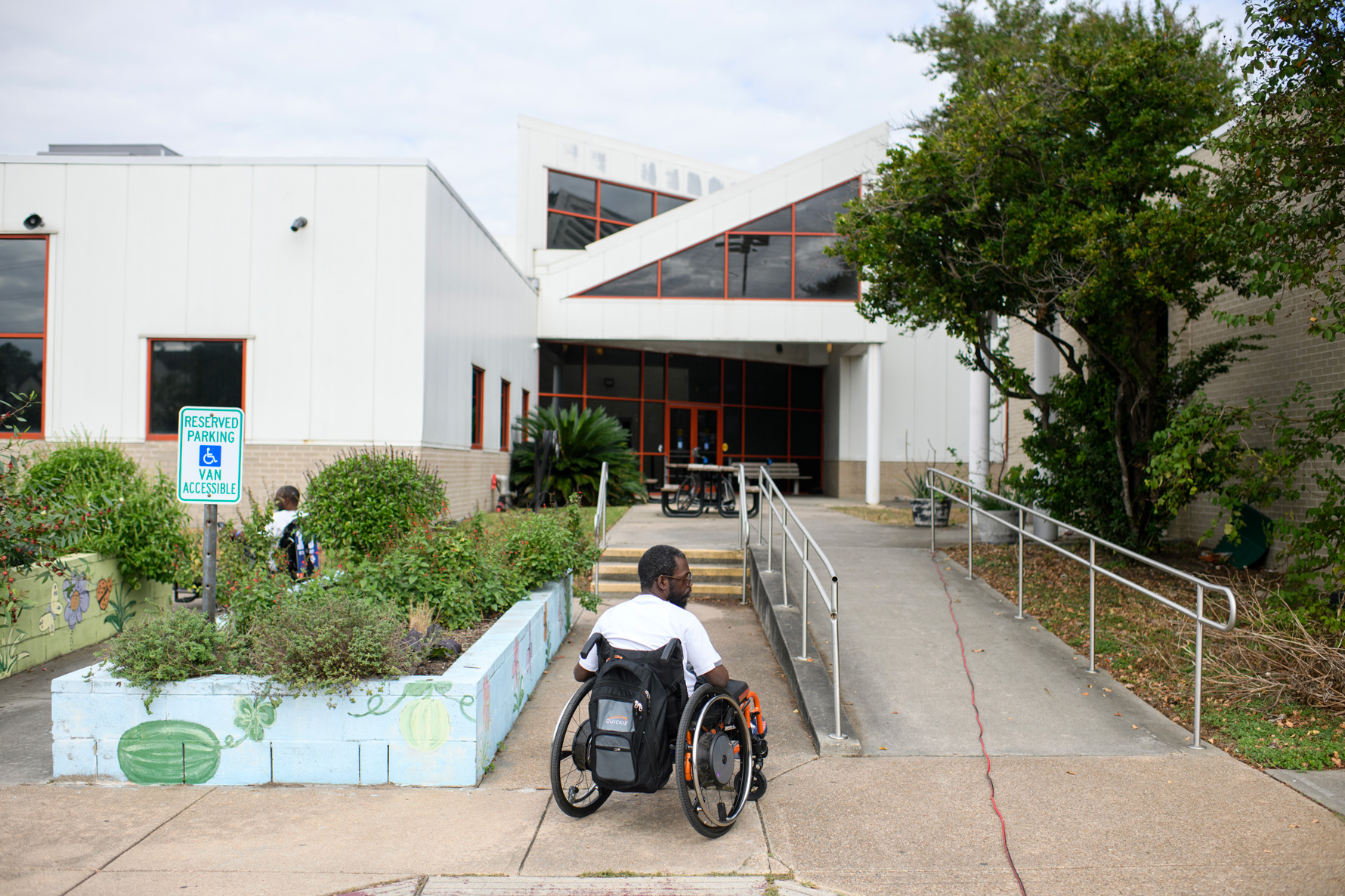
At times, he has taken it upon himself to circle the block and sit in the parking lot to discourage any unwanted activity. However, he believes that a security officer would be a more effective deterrent, preventing escalation and protecting TUTS children, staff and disabled individuals.
“They cannot protect themselves in the same manner sometimes as [others],” Edmonds said to the Landing. “To me, it’s on the part of the city. If there’s been such an uptick in unsafe situations in and around the facility, it’s just a matter of time before something happens that we cannot reverse or intercede on.”
The Landing obtained data that shows an uptick of incidents in 2024 at the Metropolitan Multi-Service Center with nearly 100 calls to the Houston Police Department. It is the highest number of incidents the facility has seen in the last 20 years. However, more than half of those incident calls were documented by HPD as self-initiated patrols, which is when an officer has downtime and patrols areas where there are vulnerable populations, HPD spokesperson Jodi Silva confirmed. The majority of those self-initiated patrols resulted in an officer gathering information versus an arrest or official report.
Other documented calls were for suspicious activity, theft, and trespassing. In some criminal trespassing cases, individuals were transported and admitted to the Ed Emmett Diversion Center, a mental health facility. In one reported incident in 2020, a suspect was arrested for criminal trespassing after returning once he was asked to leave previously. Officers said the suspect was advised to go to the diversion center but refused, saying he would rather go to jail.
During 2024, an election year, the MMSC had the second-highest number of people checked-in to vote on Election Day and the third-highest number of people checked-in to cast an early vote, data obtained from the Harris County Clerk’s Office show. The bulk of those self-initiated calls in 2024 were to ensure people had a safe place to vote, according to HPD. Jodi Silva, an HPD spokesperson, said the department previously conducted self-initiated patrols, but only started consistently documenting them during the 2024 election season.
‘We’ve been really lucky’
City leaders have not taken any action to reinstate a full-time security guard since eliminating the service at various parks in fiscal year 2011 due to budget cuts under Mayor Annise Parker.

For nearly six years, the City of Houston contracted security services from two different companies: Securitas Security Services USA from 2006 to 2009, costing roughly $53,000, and G4S Secure Solutions (USA) from 2009 to 2011, for roughly $35,000. Park rangers also secured the grounds nightly, locking the gates at 10 p.m. and opening them at 5 a.m.
“There was none of this craziness,” Edmonds said, referring to that time period. “Plus, they also used to lock the gate in the front and back of the facility so no one could just walk on the grounds.”
Budget cuts reduced security spending at all parks and facilities by just over $415,000, records obtained by the Landing show. Only six parks and pools maintained their security budgets, and one reduced hours.
In 2012, park rangers also stopped securing the grounds and locking the gates nightly at the MMSC. It is unclear why park rangers stopped securing the grounds then.
That same year, calls for service at the multiservice center saw a relatively large spike, jumping 70 percent from 17 to 29. Since then, the number of yearly calls remained below 50 until spiking again last year.
Charles “Chuck” French, the MMSC’s administration manager, echoed Edmonds’ concerns at the commission, saying security has been an ongoing concern for other citizens and employees like himself, and will remain so until action is taken.
“We’ve been really lucky that there haven’t been any major issues. So I hope the luck doesn’t run out and I hope we can do this right as a city,” he said. “It is a great facility, and it’s ours, and we want to take care of it and its people.”
French also asked the commission to assist in persuading all city departments that manage the multiservice center — General Services Department and the Houston Parks and Recreation Department — to establish and maintain a security presence. This collaborative effort, he said, will help emphasize the necessity of security.

“Depending on what department you ask, it's always going to be a funding issue, equipment concerns and where to find the people,” French said.
Budgeting restraints hinder security spending
City officials acknowledge that a full-time security guard patrolling the multiservice center year-round would deter many unwanted activities. However, that could cost up to $120,000 a year, said Kenneth Allen, director of the Houston Parks and Recreation Department.
Allen said the multiservice center has had issues with unhoused individuals, particularly encampments.
He said it was most common when the facility resumed normal operating hours after being used as a warming center during extreme temperature drops.
“When we become shelters, the people that are in the most need are those without homes, basically living on the streets. With Fondé and West Gray being selected as warming centers and overnight centers, it’s going to carry an element of residua[ity]l in terms of people wanting to stay,” Allen said. “You have some individuals, not all of them, that are a little combative when you tell them to leave.”
During that time, park rangers would maintain a consistent presence six days a week until things calmed down, Allen said.

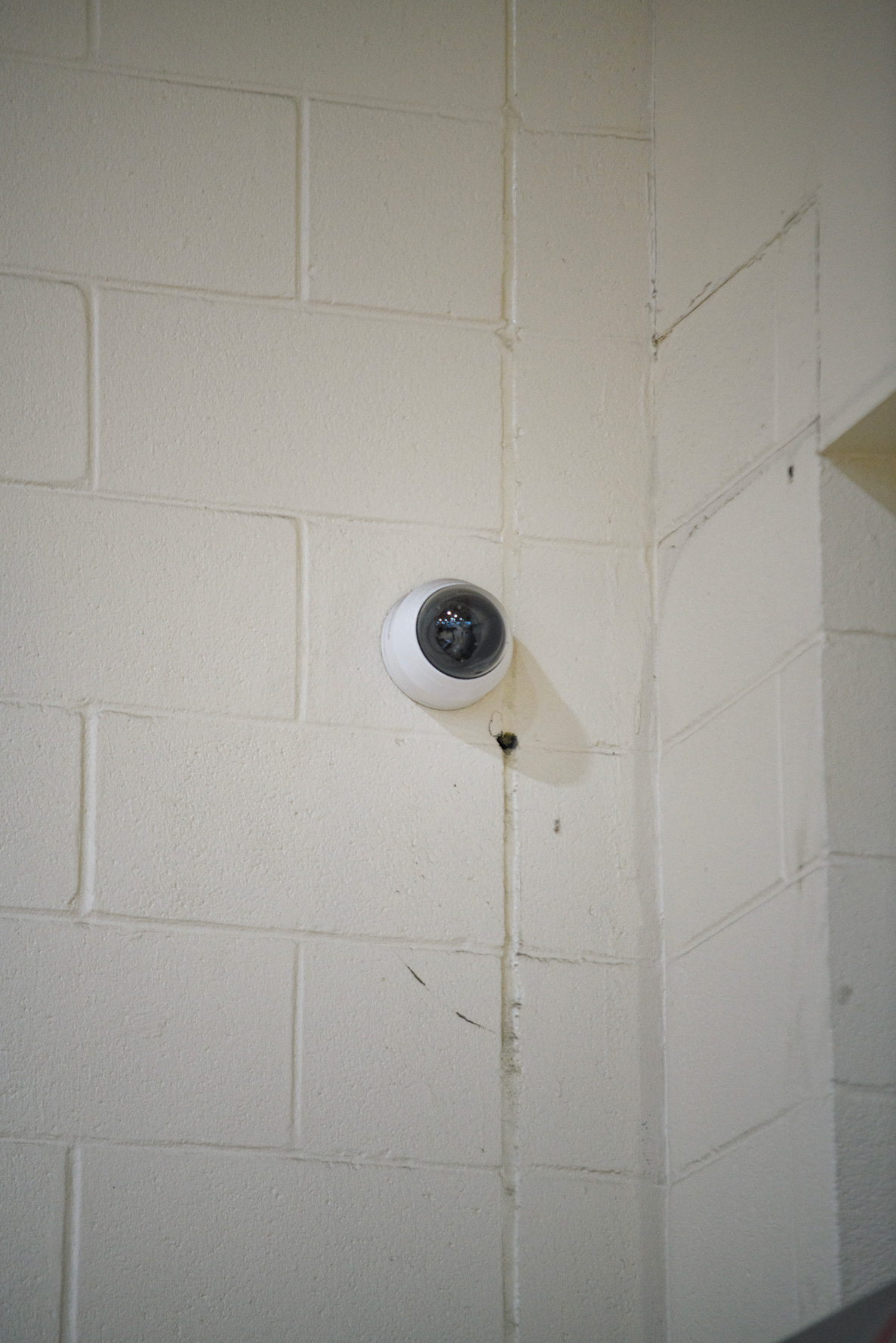
Security concerns are not limited to the MMSC, Allen said. He gets a call about every other night about incidents at many Houston parks, with reports ranging from gunshots, to unruly, irate guests.
Given the city’s funding constraints, and HPARD’s limited resources and manpower, it cannot afford or prioritize security over other parks, he said.
“If we have activity, it’s the same priority for me,” Allen said. “I could say there’s a potential at every park for something bad to happen no matter where it is, but I can’t put armed security at every location that I think is needed 24/7. So prioritizing West Gray over another facility, I’m not going to do.”
He said he’s also not going to force unhoused individuals to leave a public facility unless they’re posing a threat.
Allen said Mayor John Whitmire has encouraged departmental heads to work together to find a creative solution to renovate the facility and add security.
In the meantime, the city relies on its staff and its park rangers, who are unarmed and can only patrol the outdoors, as its primary security defense.
James Bourgeois, division manager of urban park rangers, said rangers can increase their nearly hour-long daily patrol, but they are spread thin with approximately 36 rangers patrolling 382 parks, 60 community centers and 15 aquatic centers throughout the city.
“There’s just a lot to cover in a city this large with such a small group,” said HPARD spokesperson Brenda Cabaniss.

Edmonds, a former at-large position 11 HCOD member, had hoped that the commission would take action and create a plan for the City of Houston after she voiced her concerns at both the October and November HCOD meetings. She has seen the commission take a more active role in the past by issuing proclamations. But a plan was never publicly revealed and no one has addressed her concerns.
Meridith Silcox, the chair of the Houston Commission on Disabilities, declined to comment.
What is the Houston Commission on Disabilities?
The Houston Commission on Disabilities started in 1993, and advises the mayor, City Council, department directors and the head of the Mayor's Office for People with Disabilities. HCOD's recommendations pertain to the full spectrum of needs, rights and privileges of people with disabilities.
Angel Ponce, director of the Mayor’s Office for People with Disabilities, said HCOD has successfully held entities accountable in the past. For example, a few years ago, NRG Park hired an ADA coordinator after HCOD recommended they do so following a complaint about insufficient accessible parking spaces. The commission also recently provided a list of recommendations to improve accessibility of the Office of Emergency Management’s website.
Ponce doesn’t think the city is brushing them off. Instead, he believes they’re evaluating a long-term solution versus a temporary fix.
“It’s a slow process,” he said.
Although the commission did not issue a formal recommendation to the city regarding security at the multiservice center, Ponce said that Edmonds’ public comments helped his office further elevate the issue.
When her first plan with HCOD failed, Edmonds and a handful of TUTS parents escalated their concerns to city council Feb. 4.
“We need to shame the city to get them to do something,” she said. “It’s unconscionable that they would have a facility for people with disabilities and not keep them safe.”
Who has access to MMSC?
To improve security, Edmonds and other advocates proposed that park rangers be present on-site at the facility's opening and closing times, during morning shower hours when the public is allowed, and overnight to lock and secure the gates.
District C Councilmember Abbie Kamin, who represents the area, acknowledged that she was new to the issue, learning about it just days before Edmonds planned to speak at city council from a friend associated with the River Project, TUT’s musical theater program for people with disabilities and their siblings.
“We love the River Project,” she said. “We want our families to feel welcome and safe.”
But Kamin also reiterated that the multiservice is a place for all, including the unhoused.
Deborah Quintero, whose 28-year-old son Pablo has Down syndrome and frequents the multiservice center, disagreed. She doesn't think the center should be used as an intake facility for homeless services, but instead should maintain focus on people with disabilities.
“It’s got to be a safe space for them first, and then everybody else,” Quintero said.


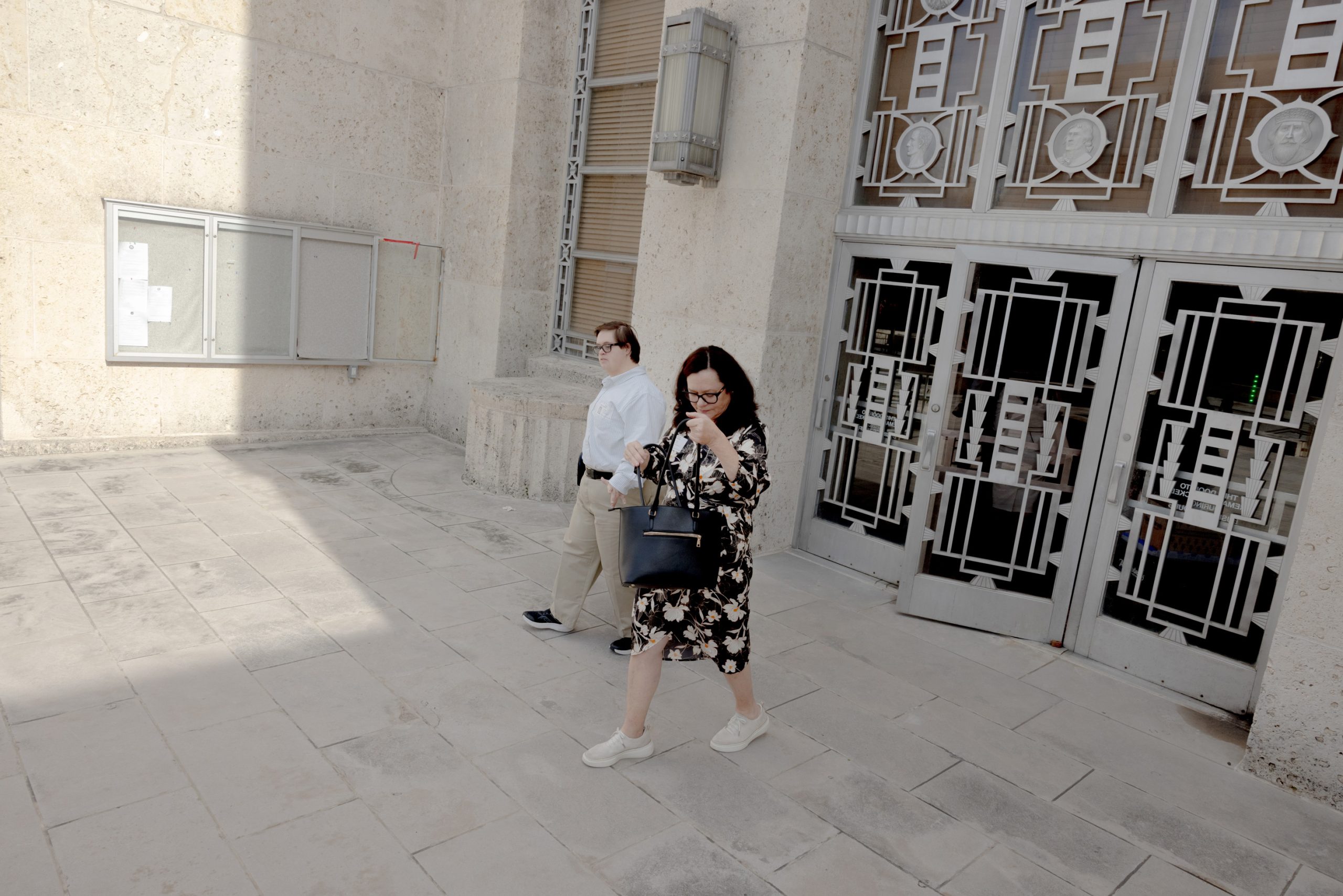
During the city council meeting, Kamin promised to work toward a solution and asked Whitmire for additional personnel to secure the premises, especially during the day. Whitmire agreed to provide support.
“I was there several times during the snowstorm,” Whitmire said. “But I know the concerns.”
The Landing contacted Whitmire's office multiple times to elaborate and discuss heightened security concerns at the multiservice center, but spokesperson Mary Benton said on Feb. 6 that the mayor was unavailable for an interview. Whitmire’s Chief of Staff, Chris Newport, said in an interview Feb. 26 with the Houston Landing that the mayor is committed to ensuring that folks who use the multiservice center feel safe by heightening the presence of park rangers and patrols from HPD.
Following complaints made to the city council, several city departments including Kamin's office, Houston Parks and Recreation, General Services, and the Mayor's Office for People with Disabilities collaborated to create a solution, Kamin said. HPARD repaired a broken gate that was sometimes cut and increased park ranger presence at the building during opening and closing hours. Park rangers were also instructed to lock the gate every night. Previously, park rangers closed and locked the gate off and on, but not consistently, Allen said.
City officials, however, remained firm against contracting full-time security due to funding limitations. Despite budgetary restrictions, Kamin emphasized the critical need for full-time security services at the multiservice center, highlighting it as one of the facility's numerous urgent requirements, which also include finding a long-term solution for improving the center.
“I don’t think it should take residents coming to a public session and pleading with the mayor,” Kamin said in an interview with the Landing. “We absolutely have budget constraints and challenges, but when people say that public safety is the top priority, this is public safety too.”

“There are opportunities across the city to make more effective use of all of the dollars that we have,” Newport said, citing Whitmire’s efficiency audit of city departments as a guide for cost-saving measures.
Public safety is always at the top of Whitmire’s list, he said.
The city is currently reviewing its security contracts to assess their effectiveness and the calls for service at each facility will likely drive what the appropriate staffing levels will be, Newport said. Further actions and decisions regarding security at all city facilities are expected in the coming weeks after the analysis is complete.
José Luis Martínez contributed to this report.

