

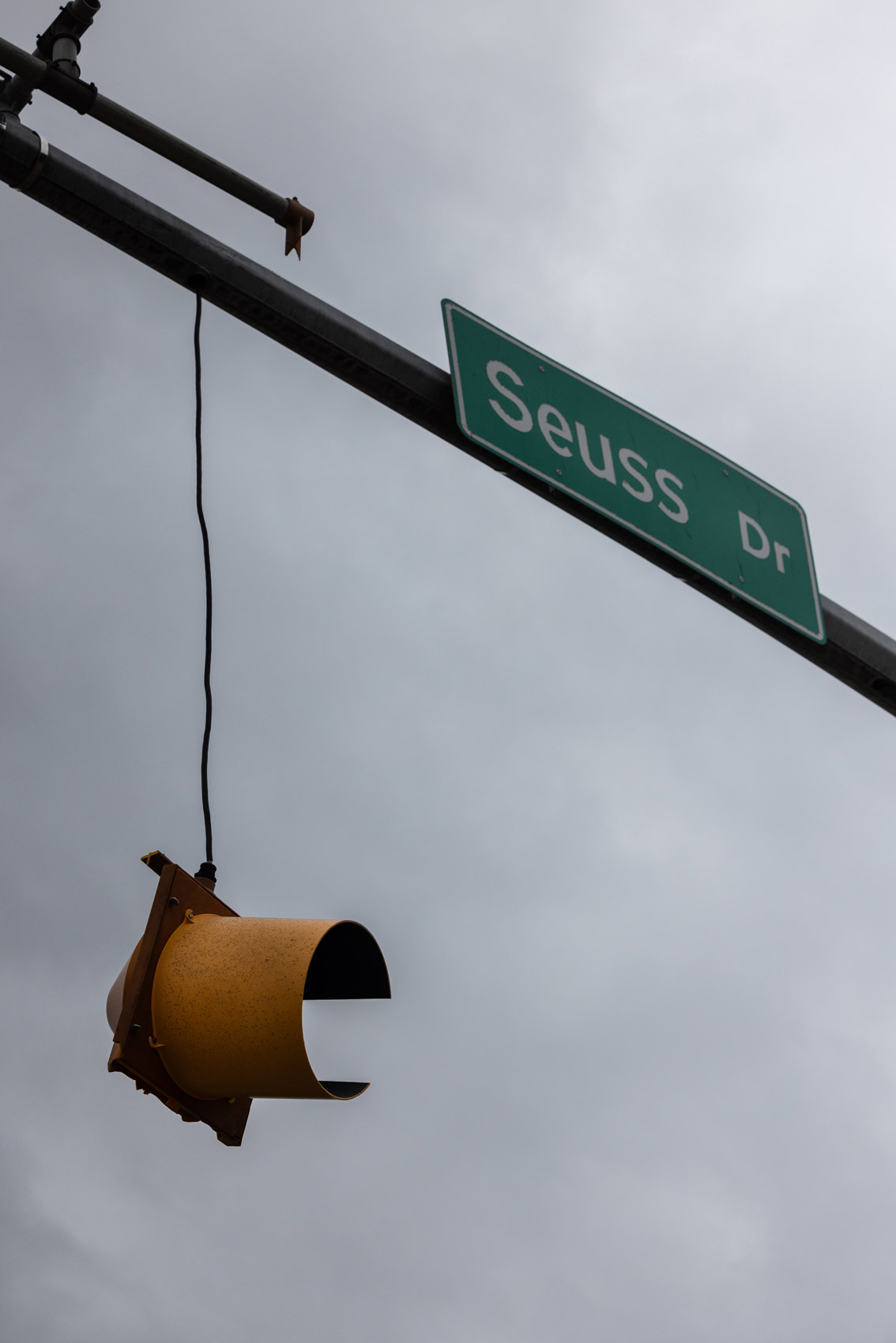
When Hurricane Beryl swept through Houston and knocked out hundreds of stop lights, traffic in the city turned chaotic — with painful results for hundreds of drivers and passengers.
In the week following Beryl’s landfall, when numerous stop light outages left local streets in disarray, more people in Greater Houston were involved in crashes and injured at intersections with stop lights, a Houston Landing analysis of crash data shows.
Records published by the Texas Department of Transportation show an average of 48 people per day were injured in crashes at traffic lights in Greater Houston, up from an average of 34 in the weeks leading up to the storm.
During the same stretch, which spanned July 8 to 14, the average number of crashes per day at traffic lights also spiked to 104. In the weeks before the storm, about 62 such crashes were reported.
The crash data, which covers the eight counties in the Greater Houston area, further illustrates the devastating impacts of Beryl.
Twelve drivers and passengers, including a 9-year-old, suffered severe injuries at traffic lights in the week after Beryl, according to state records. Available crash reports don’t detail the injuries suffered. However, the state’s definition of a severe injury includes a broken arm or leg, significant injuries to the upper body, serious burns, severe cuts and a loss of consciousness.
The hurricane also caused at least 22 Houston-area deaths, billions of dollars in property damage and power outages that affected more than 2 million people.
Many crashes came as stop lights were dark or blinking due to power outages, turning intersections into four-way stops. A mix of confused and overly aggressive drivers violating the rules of the road turned intersections more dangerous.
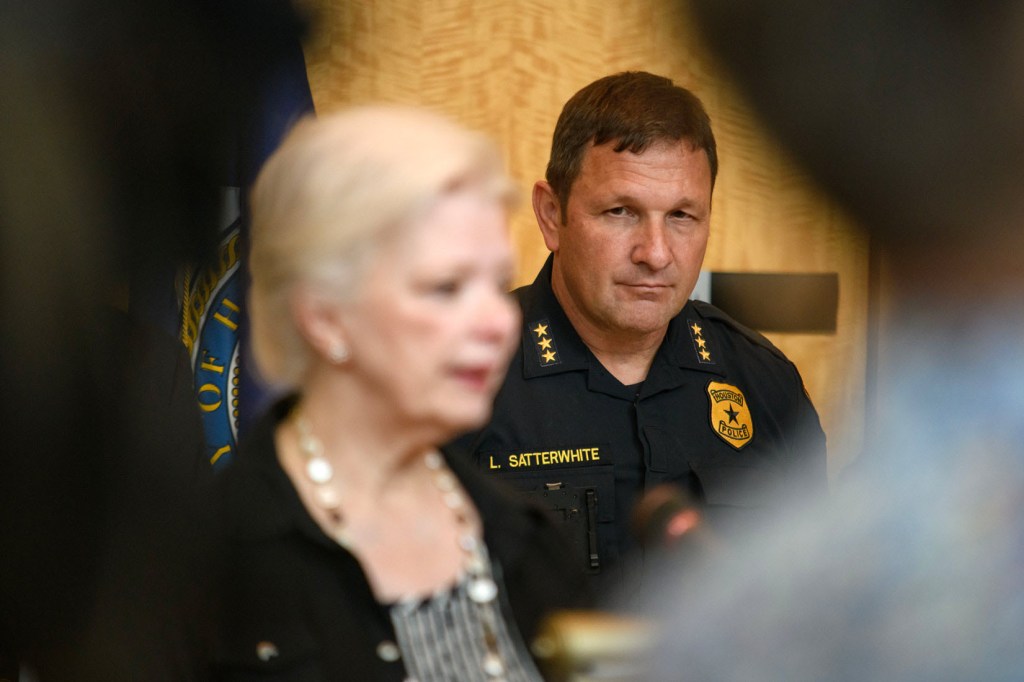
In the midst of recovery from Beryl, Acting Houston Police Chief Larry Satterwhite urged residents to stay off the road for days and encouraged drivers to proceed cautiously through intersections with malfunctioning traffic lights.
“Without power we have multiple challenges. Number one, traffic on the roadway is incredibly dangerous, because there are so many intersections that are without power, you don’t know they’re there until you’re in the middle of them.” Satterwhite said on July 11. ”You can imagine, if you’ve got cars coming from two different directions, that can be catastrophic.”
Despite calls for caution from officials like Satterwhite, crashes and injuries piled up in the days after the storm. Lu Gao, an associate professor of construction management at the University of Houston, said the city saw a similar phenomenon — fewer drivers on the road, but more serious crashes — during the COVID-19 pandemic.
“During COVID, the number of crashes actually decreased because many people chose to stay at home and work remotely,” Gao said. “But the number of fatalities actually increased. And I think the conclusion is that people tend to drive faster because there is less traffic. … The driving behavior becomes riskier.”
A long wait
Many of the traffic lights took multiple days to fix, for a few reasons.
First, CenterPoint and other local utility companies responsible for maintaining traffic lights had to restore power to them, a process that took more than a week for parts of the region.
Then, in the city of Houston, local government employees had to reset the traffic control boxes on roughly 1,100 of the 2,500 traffic lights overseen by the Public Works department. That’s because traffic lights only blink when CenterPoint restores power, and it’s the city’s responsibility to reset the lights to normal operations.
In some cases, the process of resetting traffic lights in the city was delayed due to an information gap.

Currently, CenterPoint and the city of Houston don’t use technology that notifies both organizations when a light is out or flashing. Instead, the city relies on people calling 311, its 24-hour resident help line, and reporting when they see a blinking light.
Houston Public Works spokesperson Erin Jones said her department was flooded with about 1,300 calls related to traffic lights following the hurricane.
“CenterPoint wasn’t able to actually tell us when power would be restored to a specific intersection,” Jones said. “We were trying to work with them to get that information, but that information was just not available to us.”
In a statement earlier this month, a CenterPoint spokesperson said the company plans to coordinate with the city on getting staffers signed up for alerts that can tell them when power comes back to a specific area.
“We will follow up with Public Works to work through this process with them,” the spokesperson said.

