

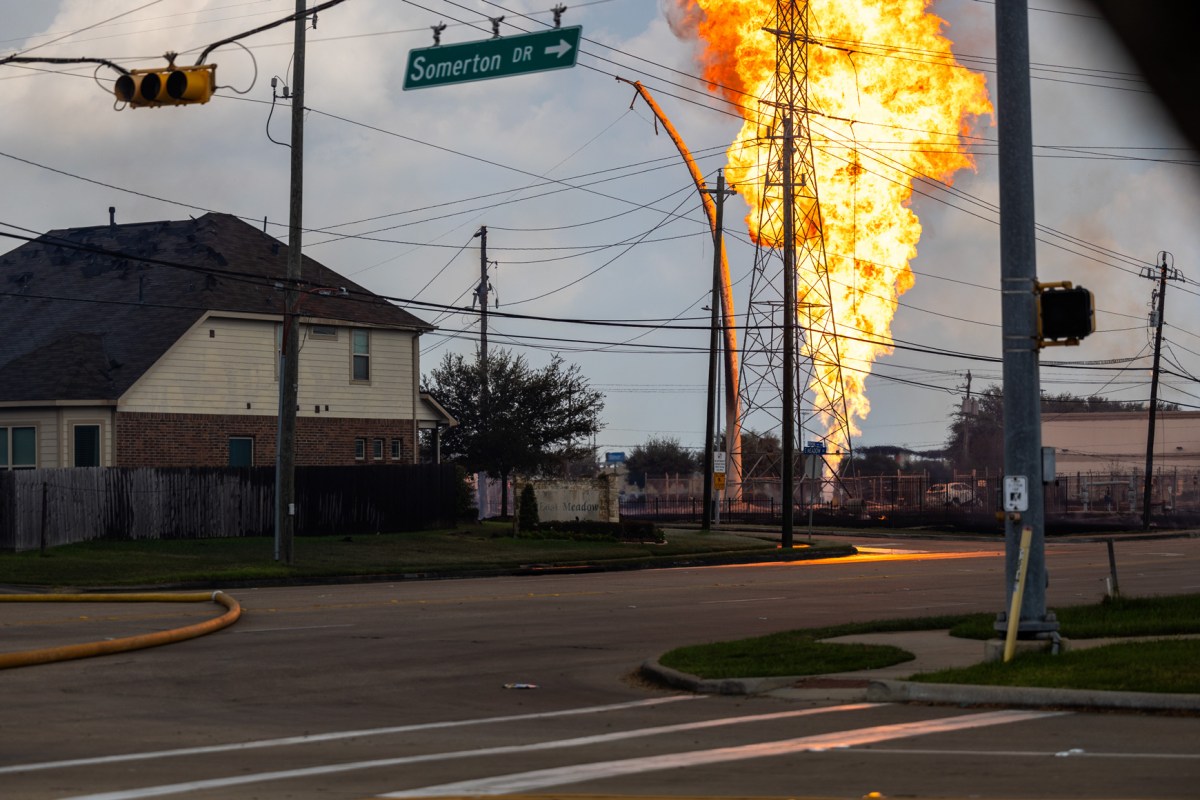
In the five years before a sports utility vehicle struck Energy Transfer’s pipeline in Deer Park and caused a massive explosion and fire, pipelines operated by the company and its affiliates had been damaged by vehicle collisions at least five times.
That’s what Houston Landing found in a two-part investigation published in December that revealed the Deer Park crash was part of a wider national safety issue that has involved at least 36 pipeline collisions across the United States since 2019.
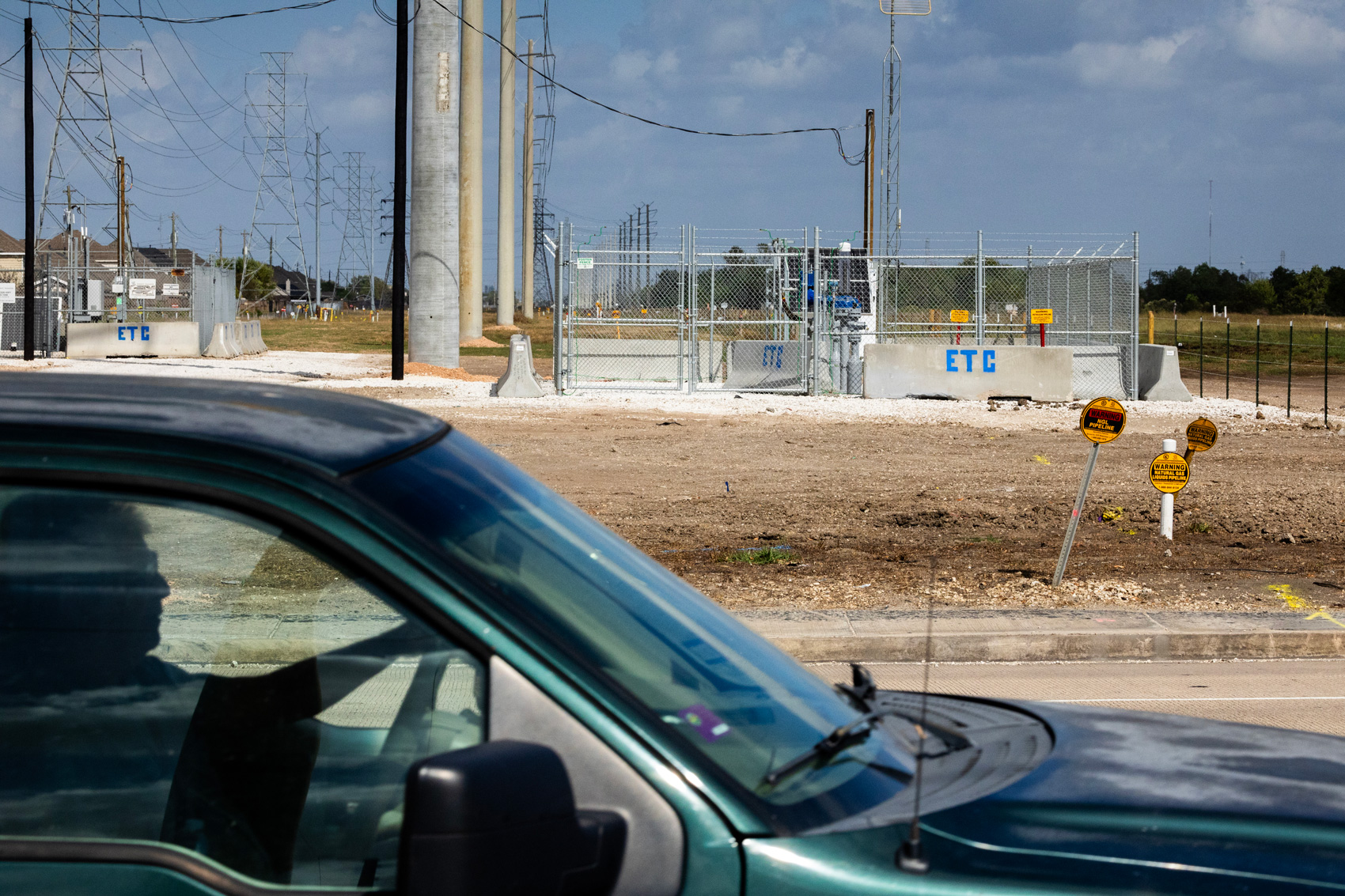
A lawsuit filed by four people who live and work near the explosion site, accuses Energy Transfer of negligence in failing to protect its pipeline against the September 2024 SUV crash. The company, the suit alleges, “was already on notice of the danger of automobiles crashing into above-ground valves, as well as the resultant risks of explosion, fire, and exposure to noxious chemicals.”
Energy Transfer, in its response to the lawsuit, denies the allegations and has asked a Harris County court to order paragraphs be stricken from the residents’ lawsuit that detail the company’s and industry’s history of pipeline collisions.
The suit contends the Deer Park pipeline structure should have had at least concrete or metal barriers because it was next to heavy traffic along Spencer Highway and near a busy Walmart parking lot. Instead, the suit says, it “was surrounded only by a flimsy chain-link fence.”
Spokespeople for Energy Transfer did not respond to emailed questions and requests for an interview or comment. Brett J. Young, an attorney representing Energy Transfer in the lawsuit, said he couldn’t answer Houston Landing’s questions because of the pending litigation.
In records filed with the court on April 17, Energy Transfer has asked for the court to dismiss the case.
The company also has asked the court to order that 19 paragraphs be stricken from the lawsuit’s original petition. Eleven of these paragraphs involve details about the frequency of vehicles colliding with pipelines and the residents’ allegations that the company failed to have adequate barriers around its above-ground pipeline structure in Deer Park.
Energy Transfer says the claims in these paragraphs, among other issues, are not allowed by law because the company had no duty to control the conduct of an outside individual. Two hearings in the lawsuit scheduled to occur in person and by Zoom at 10 a.m. and 11 a.m. on June 9 in 55th District Court.
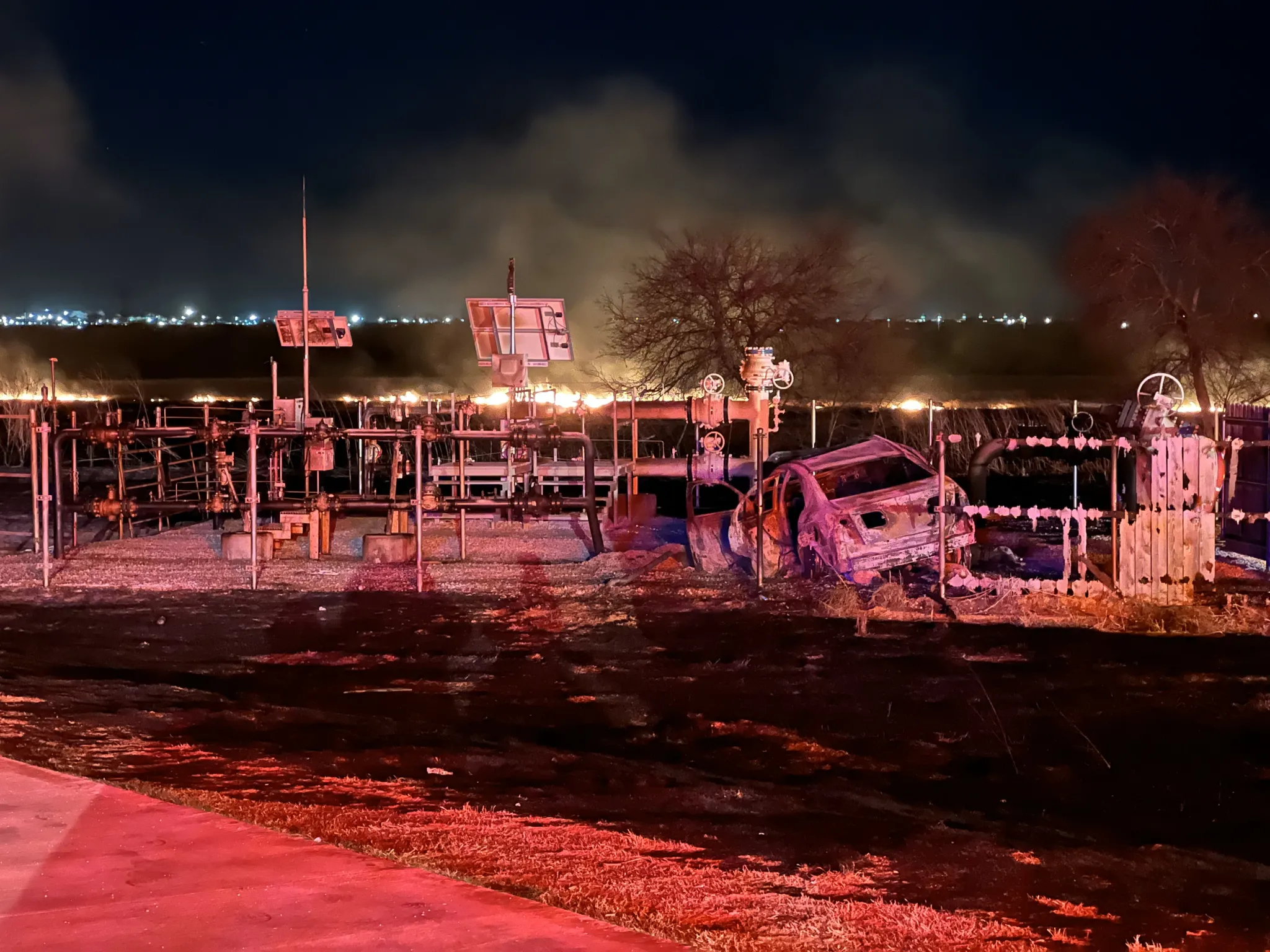
The company describes itself as the victim of a criminal act, an injured party whose pipeline was destroyed by the SUV driver, Jonathan McEvoy, who “chose to end his own life by intentionally crashing his automobile through a barrier fence and into an above-ground natural gas piping system,” court records say.
Energy Transfer contends that the risk of McEvoy’s suicidal act was “clearly not forseeable” and that other pipeline collisions, such as those cited in the lawsuit, were not “similar.” The company’s manager of regulatory affairs, Justin Davidson, said in a sworn statement he had no personal knowledge of any similar event, “meaning one where a motorist intentionally struck and [sic] Energy Transfer pipeline riser.”
On the morning of Sept. 16, McEvoy’s SUV veered out of a Walmart parking lot, across a grassy utility right-of-way and picked up speed before it crashed through the chain link fence that surrounded the above-ground pipeline valve, sparking a massive explosion and fire that burned for nearly four days. Only then were investigators able to remove the charred SUV that contained fragments of McEvoy’s remains.
“Unsuspecting property owners are not legally responsible for the collateral damage caused by such acts,” Energy Transfer said in its court filings.
Houston Landing’s investigation last year found that regulations require pipeline operators to protect transmission lines from damage but that regulators give pipeline operators wide discretion to decide on their own how much protection their pipelines require.
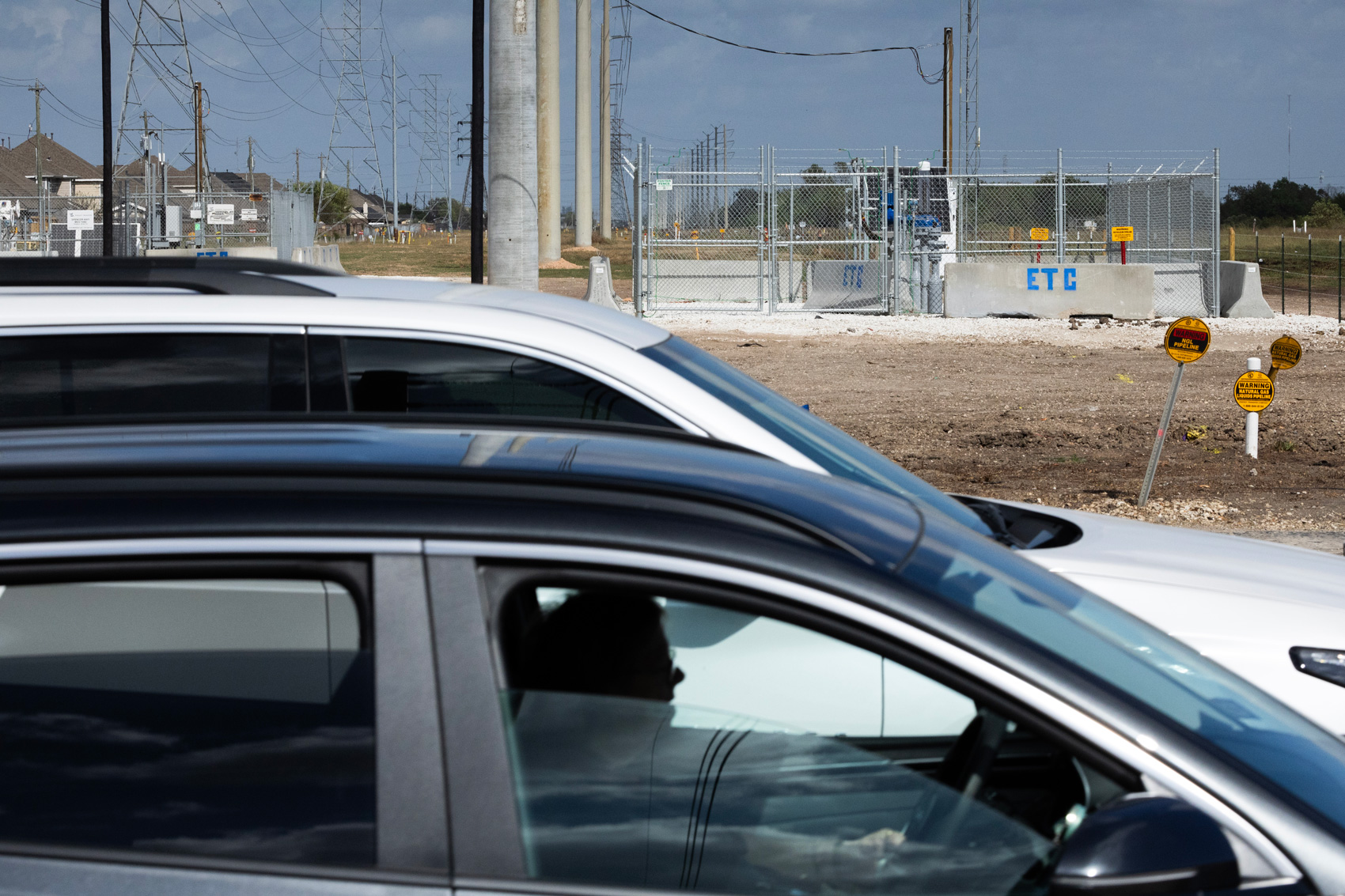
After the crash and explosion, Energy Transfer surrounded its rebuilt pipeline structure with large concrete barriers.
Texas pipeline regulators who investigated the Deer Park explosion found no safety violations by Energy Transfer. The report from the Texas Railroad Commission provided little explanation for how investigators reached their conclusion beyond saying inspectors met with company officials and reviewed records.
In its court filings this month, Energy Transfer’s attorneys wrote: “Whether Plaintiff’s accept the truth of this suicidal criminal act, or instead contend that…McEvoy’s conduct was medically-induced or just bad driving, the result is the same: Energy Transfer has no duty to control or prevent the driving behavior of a third-party stranger.”
Wisam Ghuneim, an attorney representing the four Deer Park and La Porte residents who say they were harmed by the explosion and fire, was not available for an interview. The plaintiffs in the case are Jaime and Daisy Coronado of Deer Park, Ximena Palacios Molina of La Porte and Rosa Romero of La Porte.
Their lawsuit alleges generally that the pipeline incident caused “physical injuries” – including burns, fractures, rashes and difficulty breathing.The suit says the heat from the fire and water from firefighters trying to protect nearby structures damaged properties owned or occupied by the people who are suing. The suit also claims economic harms, including lost wages, costs for paying for alternate lodging and the negative impact of the explosion on property values for homes and businesses.
In January the Harris County medical examiner’s office ruled that McEvoy died by suicide, citing video footage showing the SUV accelerating toward the pipeline and McEvoy’s history of suicide attempts and his recent discharge from a rehabilitation center for alcohol addiction. The man’s family had said he had suffered from periodic seizures and that they believed that’s what caused the crash.
The lawsuit, which names McEvoy’s estate as a defendant, alleges his negligence was a contributing factor. The suit describes McEvoy as a “medically incapacitated motorist” who continued to drive vehicles despite having a history of seizures that were not being medically treated.
It contends that while McEvoy’s vehicle striking the above-ground pipeline valve was the “immediate catalyst” of the explosion and fire, that the “conflagration’s central cause lies in Defendant Energy Transfer’s failure to install adequate protective barriers around the valve.”
McEvoy’s former wife Delma McEvoy, who has served as a family spokesperson, did not respond to an email about the lawsuit.

