

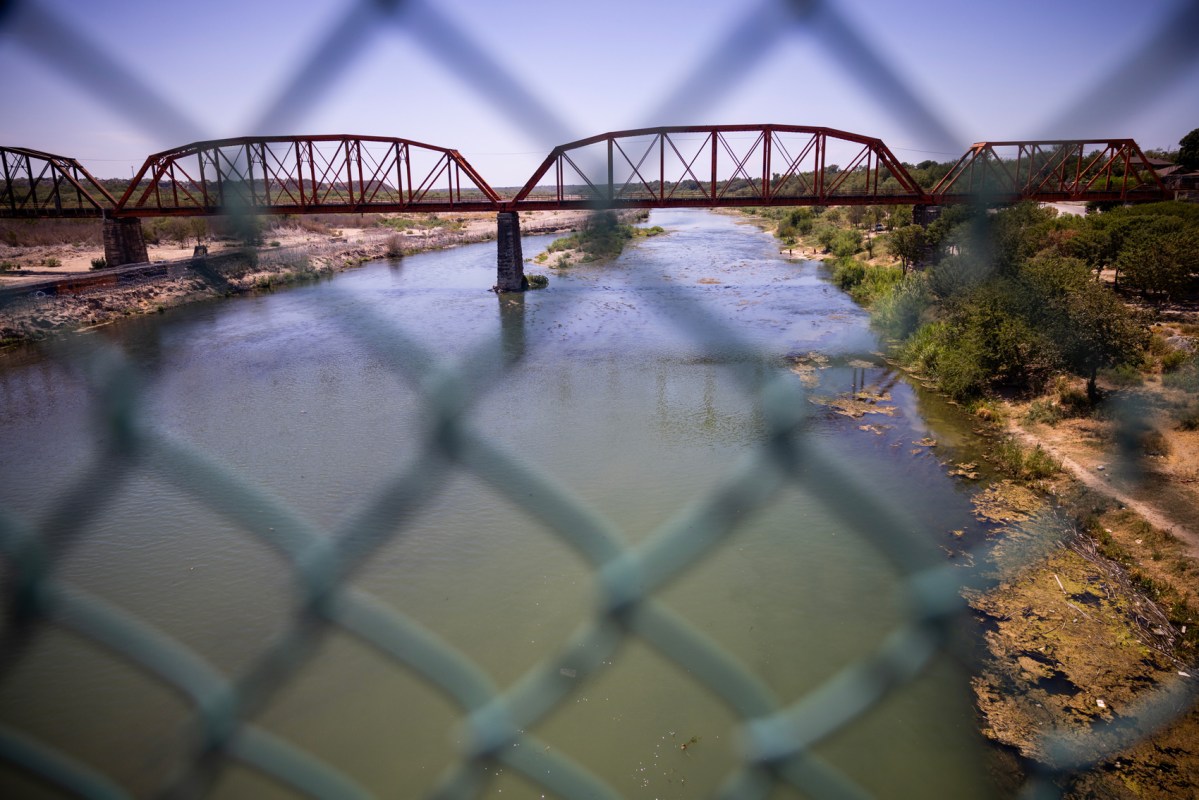
Galveston County’s sheriff’s office and three constable offices have spent $4.06 million in state funding to send local law enforcement to the border since 2021. The initiative is part of Operation Lone Star, Gov. Greg Abbott’s border security initiative, designed to curb the flow of illegal immigration and drugs into Texas through increased law enforcement presence at the border. Critics, including human rights organizations, have claimed that the program has led to dangerous vehicle pursuits and migrant deaths along the border.
Mostly known for setting up border buoys and concertina wire at the border, the $11 billion initiative includes funneling state money to local law enforcement in counties that sign disaster declarations, regardless of proximity to the border. Galveston is one of the few law enforcement agencies outside the border that has received funding. Of this money, Galveston County has received almost $4.1 million to date, according to data shared by the Governor’s Office through a records request.
As Galveston residents prepare to vote for a new sheriff, the Democratic candidate has questioned whether participating in Operation Lone Star is the best use of resources. Even though the money comes from the state rather than the county, critics argue the state’s funds could be spent on other services, such as improving health care and education.
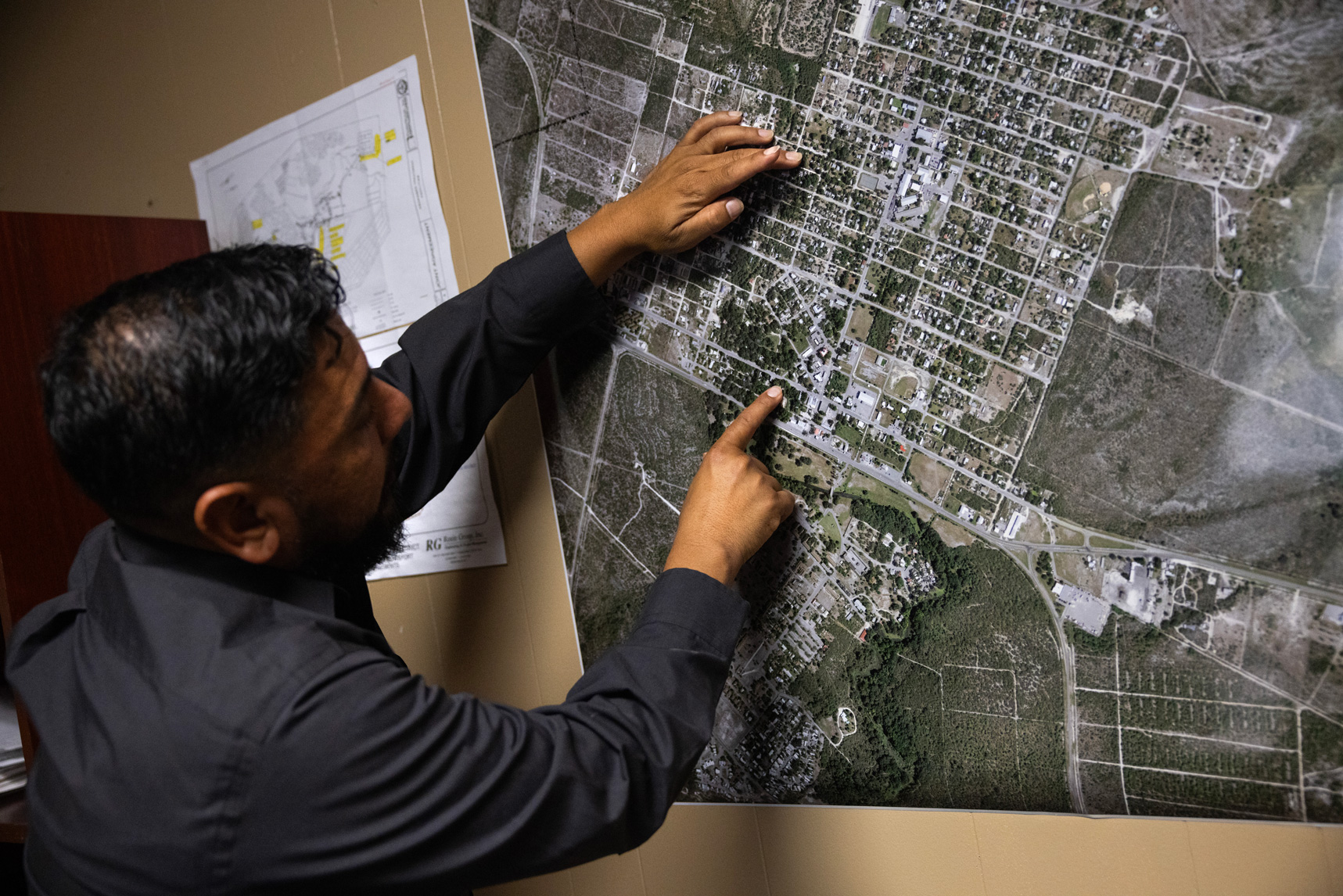
The money has been spent to fund policing in Kinney County, a small ranching town of about 3,000 residents that has been called “ground zero” for Operation Lone Star. The county has led the charge for border policing, issuing a border disaster declaration even before Abbott made his declaration.


Abbott has said the program is necessary because the state must step in to enforce border security since the federal government has not done its job. Critics say the money is wasted since Operation Lone Star still depends on U.S. Customs and Border Protection and U.S. Immigration and Customs Enforcement to process and deport the migrants arrested by Texas law enforcement.
Despite its small population, Kinney County has been among the top counties for arrests and vehicle pursuits, according to data from the Texas Department of Public Safety. In July, Kinney County purchased pepper ball guns in what critics called an escalation of their already harsh policing tactics.
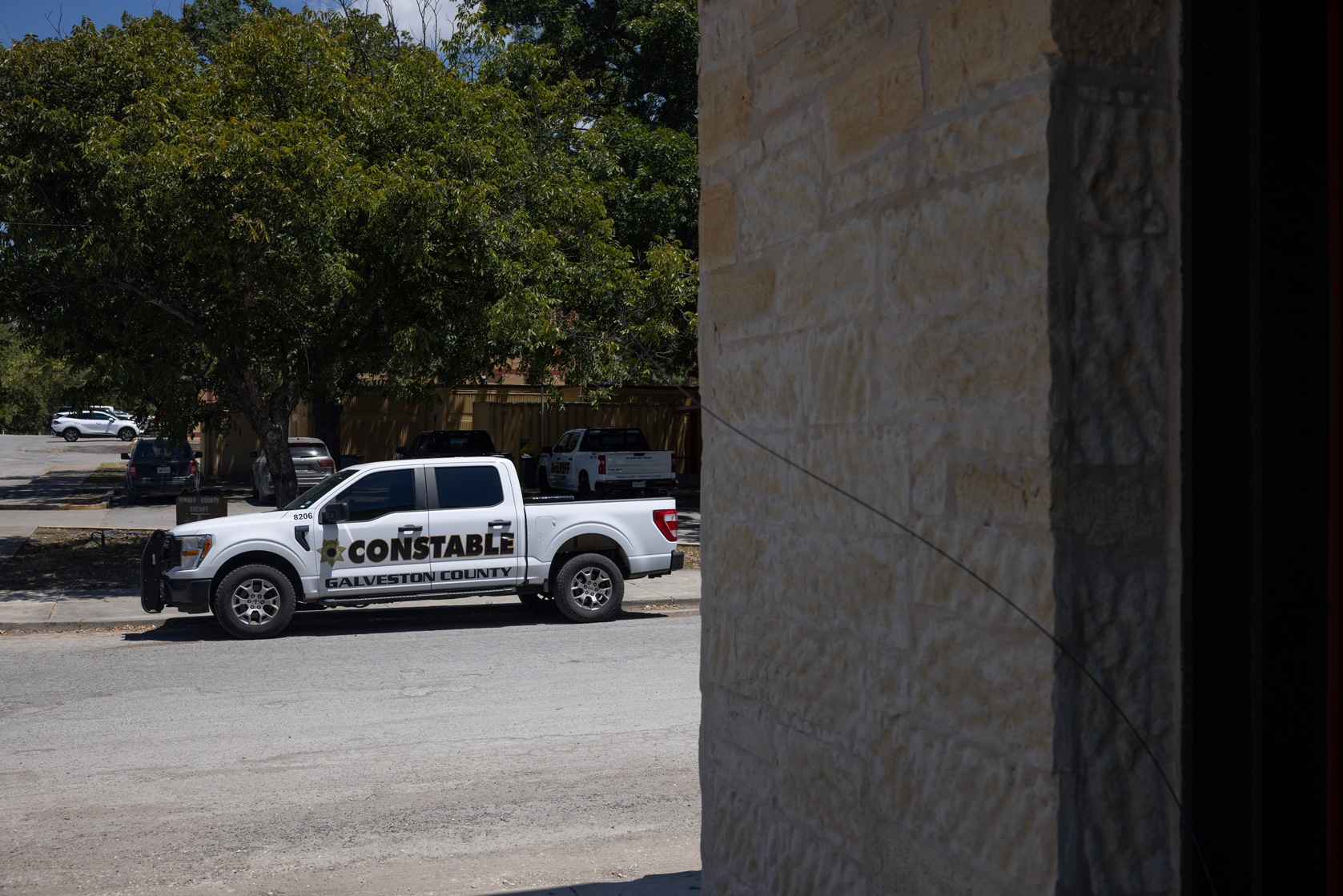
Through a mutual aid agreement, GCSO and Constables for Precincts 1, 2, and 4 all send local deputies to the border. Galveston Sheriff Henry Trochesset said sending deputies is akin to helping after a natural disaster. Captain Ray Nolen, who oversees the Operation Lone Star grant for the sheriff’s office, said Galveston has played a key role in curbing migrant crossings in that area.
Local deputies have been eager to participate.
“We’ve been doing this for how many years now, and I don’t know that we’ve ever had a situation where we can’t find people that want to go,” said Trochesset, who will retire in January.

Yet, critics say the grant funding tied to Operation Lone incentivizes participation in a program that has little oversight and transparency.
“It’s hard to say that the counties that have declared disasters or invasions are geographically the counties where it makes the most sense to do so,” said Bob Libal, who has researched Operation Lone Star for Human Rights Watch. “It really seems like a political exercise that has been rewarded with money from the state.”
Explore the data on your own here:
What funding has Galveston received?
The county has received more than $4 million through two grants. The first grant of $3.1 million started on Sept. 1, 2021, and ended on December 31, 2023. The second grant of $956,000 started on Sept.1, 2023, and ended on Aug. 31, 2024.
Another funding request for $1.4 million is pending, which Galveston County Sheriff’s Office expects to be approved soon, according to Nolen.
The $4.1 million only includes the funding allocated through Operation Lone Star. In June 2021, Galveston County Judge Mark Henry designated $6 million in American Rescue Plan funds for response to the border crisis. Part of this was allocated to building a border wall and another was designated to building a border task force.
The county sent two other Operation Lone Star grant proposals that the state declined to fund, one requesting $1.4 million and another requesting $2.45 million, according to the spreadsheet provided by the state. They did not provide details on the requests or why they were denied. The sheriff’s office has never had a funding request denied, so those requests were likely by another law enforcement agency, Nolen said.
Since Galveston began participating in Operation Lone Star, county law enforcement have carried out more than 1,500 felony arrests and 140 misdemeanor arrests and seized more than $16,000 worth of cash and assets, according to statistics shared by the Sheriff’s Office. They did not provide information on conviction rates. They have also handed over more than 9,300 people to Border Patrol.
Law enforcement throughout the state have apprehended half a million immigrants and turned them over to Border Patrol, 47,800 criminal arrests and 41,300 felony charges, as of October figures released by the governor’s office. But independent analysis of the program has questioned the metrics used to tout the program’s success because they include thousands of arrests outside the border.
How the money was spent: Personnel, equipment and travel
Galveston spent $2.8 million, more than 69 percent, of its Operation Lone Star funding on personnel. This includes $938,000 for constables.
All hours worked while at the border are paid for by the state, Nolen said. Deputies, who opt in to the program, usually go in pairs to the border. They are recommended to work 12-hour days, but can work up to 15 hours.
The rotating schedule and overtime pay has kept morale high.
“We have had no trouble filling up our schedule,” said Nolen.
Trochesett said that Kinney County Sheriff Brad Coe had a small office of just a few deputies when Operation Lone Star began. Galveston has been able to help fill these staffing gaps.
“That’s why we do things like this,” Trochesset said. “Because, who else is going to help him?”
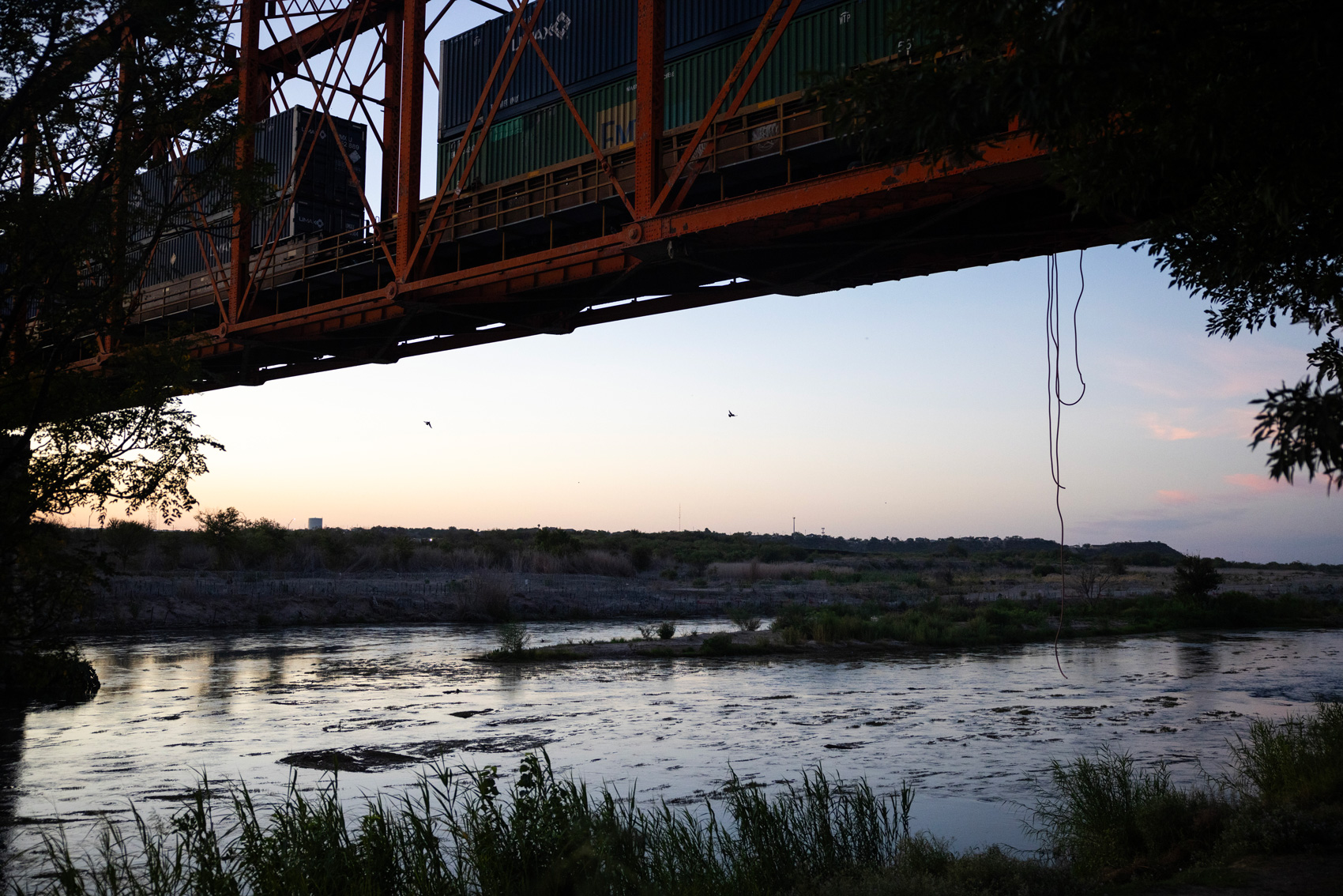
Kinney County also ramped up its workforce under Operation Lone Star, spending $2.3 million on personnel and $1.1 million on contractual and professional services. Other law enforcement agencies, including Florida Fish and Wildlife, have also aided Kinney County with border enforcement.
Galveston spent more than $382,000 on new equipment for Operation Lone Star, representing about 9 percent of the total funds and the second-largest spending category.
Galveston County purchased at least four vehicles for Operation Lone Star, as well as new uniforms, headsets, portable printers, and first aid kits. For items such as uniforms and portable printers that could be associated with general operation, these items “will only be used 100 percent of the time for duties associated with Operation Lone Star,” the description in the expenditure report states.
The county also made purchases for surveillance equipment that totaled more than $63,000. Additional information on these purchases was redacted.
The third-largest spending category was travel and training. Galveston spent $312,000 on travel and training, representing about 8 percent of the total expenses. This includes nearly $153,000 on hotel accommodations for deputies on rotation in border counties, in addition to costs for mileage for the trips there and meals.
Karen Muñoz, justice catalyst fellow at LatinoJustice PRLDEF, a civil rights nonpartisan organization, said that local residents should know how their local sheriff’s office and constables are spending money, even if it comes from the state. Local county commissioners must sign on a disaster declaration to be eligible for the funding.
“We’ve spent billions on this, all of us taxpayers,” Muñoz said. “One important thing to know is that counties have to opt in.”
Galveston residents will vote for a new sheriff on Nov. 5, and the candidates disagree on whether to continue sending deputies to the border through Operation Lone Star.
Adriana Rezal, data visualization engineer, conducted data analysis to this report.

