

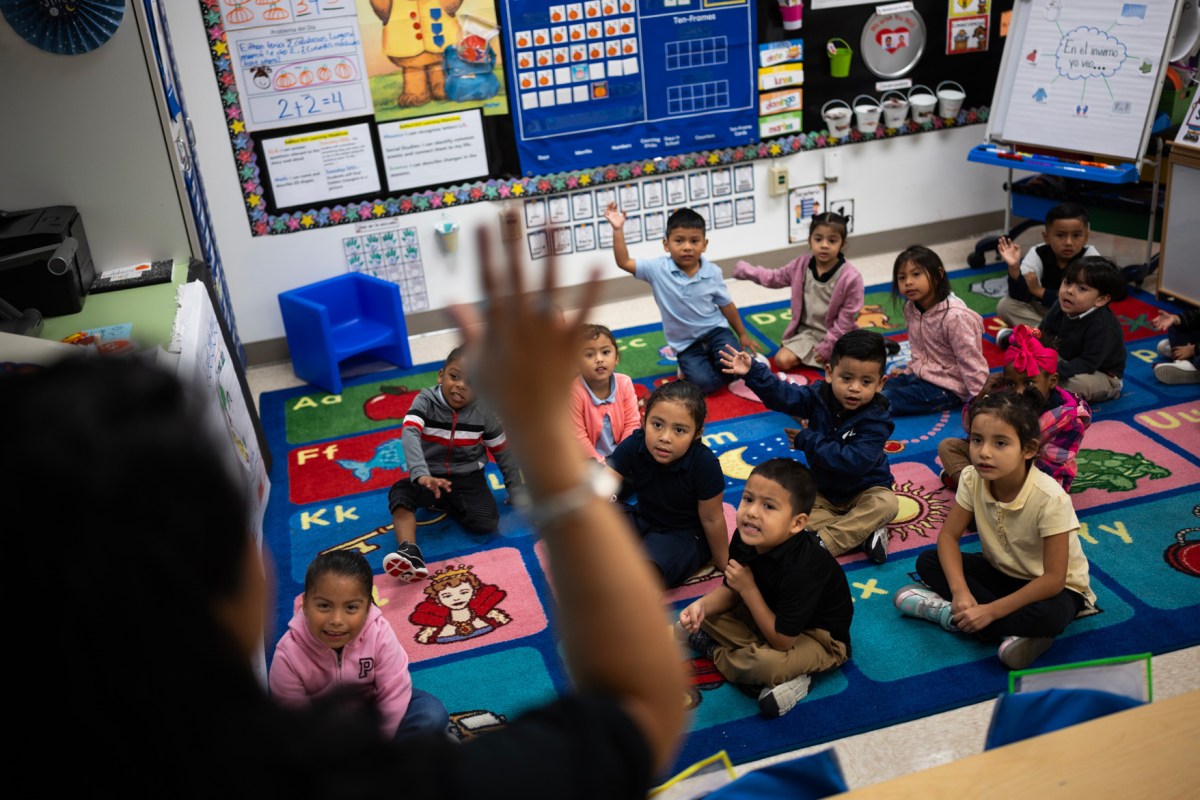
Houston ISD’s youngest learners could have among the most to gain if voters pass the district’s historic $4.4 billion school bond proposal.
Among the bond projects, HISD would invest at least $200 million into significantly expanding the number of spaces in its pre-kindergarten programs in high-needs neighborhoods over the next four years, according to plans the district shared with the Houston Landing.
Chief Academic Officer Kristen Hole said increasing the number of students in HISD pre-K programs is a top priority, because the district has not yet been able to raise its enrollment back to pre-pandemic levels. About 15,900 youngsters participated in HISD preschool in 2019-20 compared to 12,400 in 2023-24 — meaning thousands of young Houstonians may now be missing out on the chance to start their academic journeys off strong.
Recently, the district has seen a mismatch of supply and demand for pre-K, where some programs have long waitlists, while others struggle to fill empty seats, Hole said. But areas with empty seats still may have children not being served, she added.
“Even in places where … there’s space, I don’t necessarily believe it’s always because the demand isn’t out there,” Hole said. “We really have this great offering for families and we just have to reach them.”
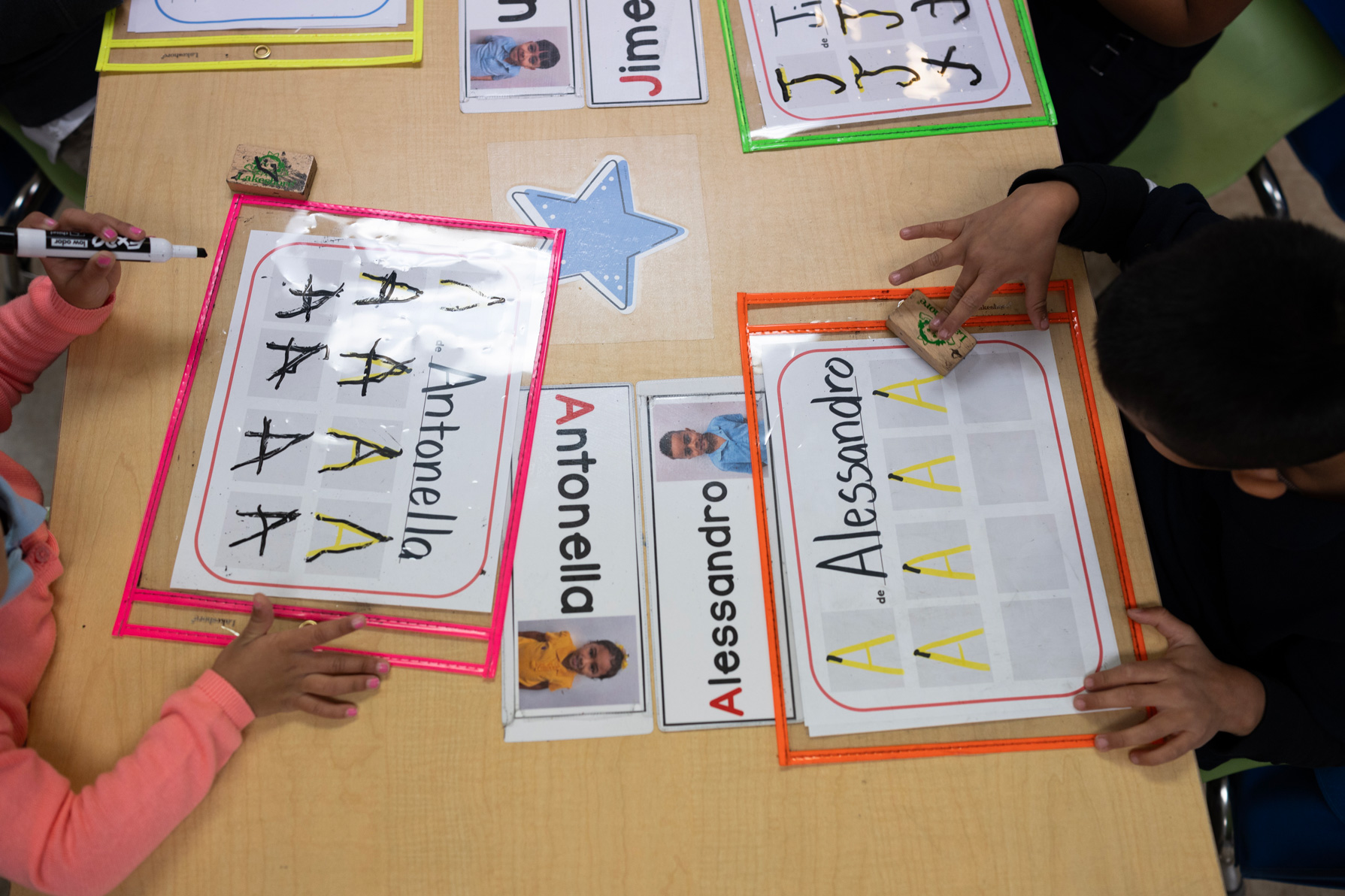
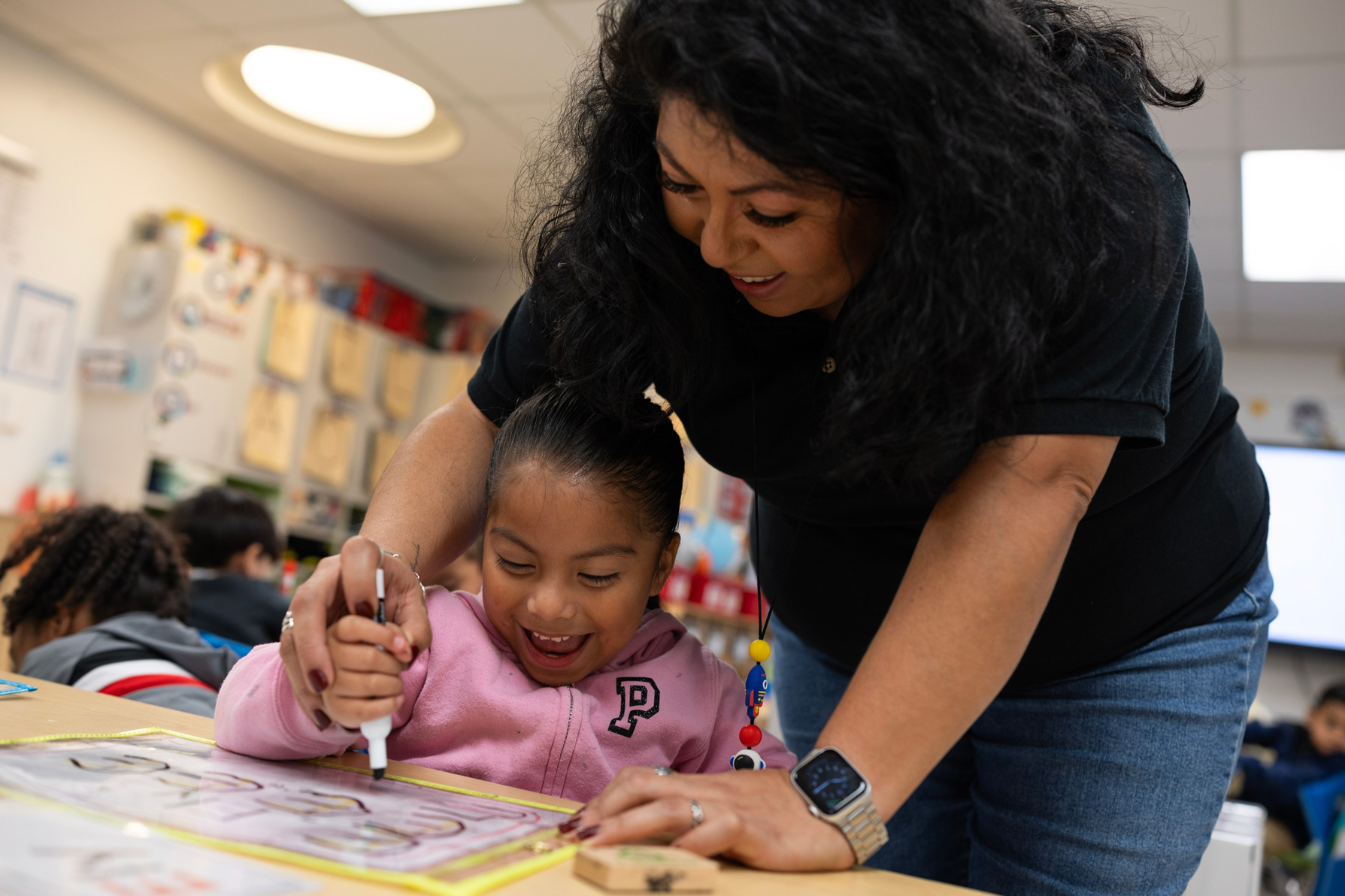
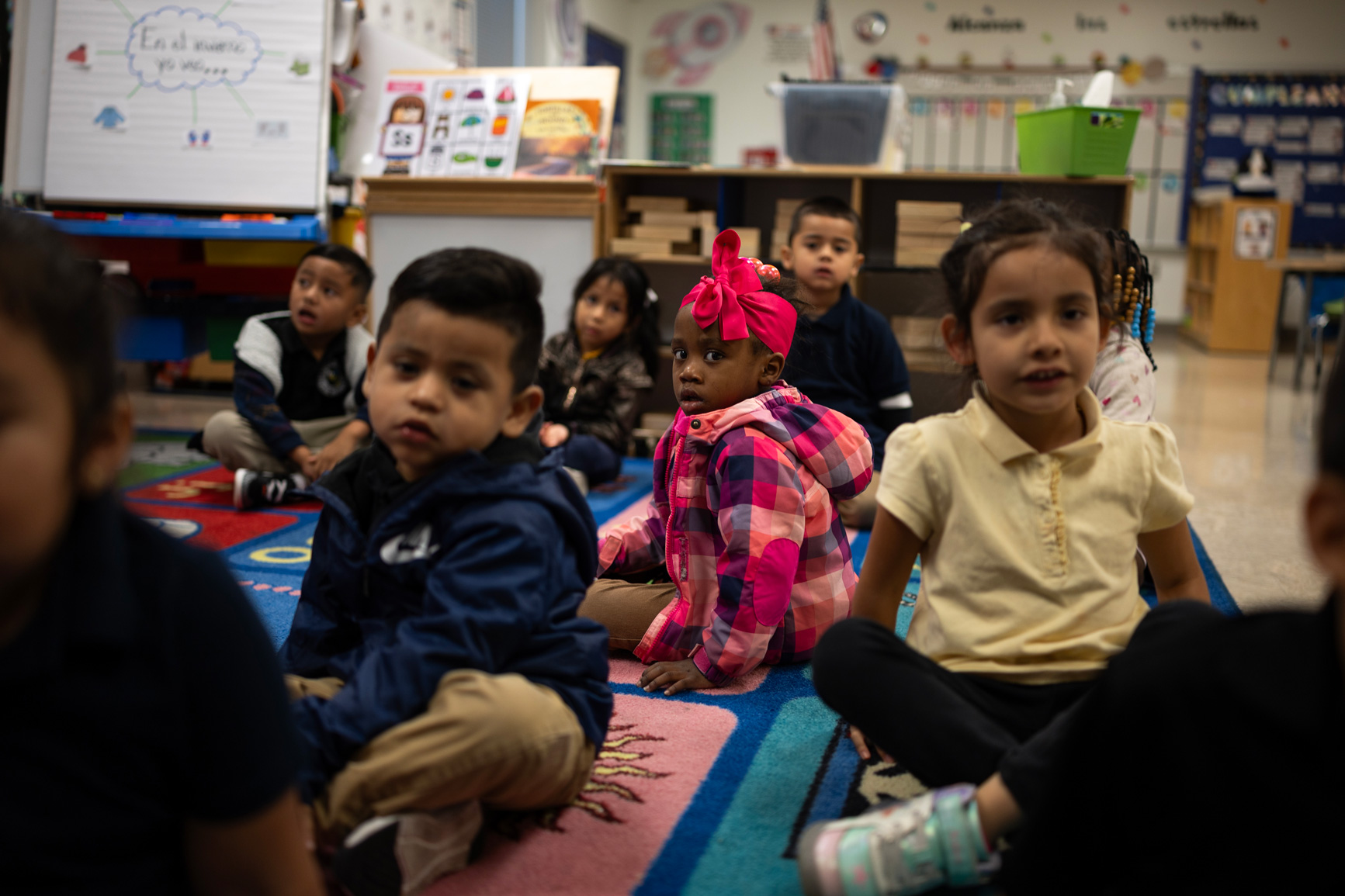

In June, HISD announced plans to add roughly 4,000 new pre-K seats under its proposed bond, but did not release information on where the expansions would come. Recently, the district shared new, detailed information with the Landing about the location and structure of new programs.
Those plans include:
- Building a new, 400-student early education center in the Mid West neighborhood, serving the Wisdom High School feeder pattern
- Constructing new pre-K classrooms in 25 schools already slated for rebuilds or significant renovations
- Rearranging classrooms in 93 schools to add new pre-K spaces
- Relocating some older students to outdoor classrooms at four schools, freeing up indoor space for preschoolers
To set those plans in motion, HISD residents must greenlight the district’s bond measure this Election Day — a vote that has proven divisive after a highly unpopular June 2023 state takeover of the district that imposed a new superintendent, Mike Miles. Bond supporters argue HISD students can’t wait on upgrades to classrooms with leaky roofs or faulty air systems, while opponents say the community can’t trust Miles with such a large sum of money.
Though the early education plans make up just a fraction of the total bond spending, district leaders say they represent a key part of their strategy to improve academic performance, especially for students living in poverty. A large body of research links participation in preschool programs to lasting gains in student test scores, graduation rates and college enrollment. (However, a notable 2022 study from Vanderbilt University produced contradictory results and has spurred continued debate over what types of programs drive positive outcomes.)
HISD offers free pre-K programs to the majority of 3- and 4-year-olds in the district, including those who are learning English, navigating homelessness, or whose families are considered “economically disadvantaged,” a threshold of roughly below $58,000 annually or for a four-person household.
Will families enroll?
At the same time as HISD is planning to add thousands of new pre-K seats, many spaces currently remain unused.
The district estimates it has room for between 13,000 and 13,500 early education students, Communications Chief Alexandra Elizondo said. But last year, HISD left several hundred seats vacant, enrolling 12,400 youngsters.
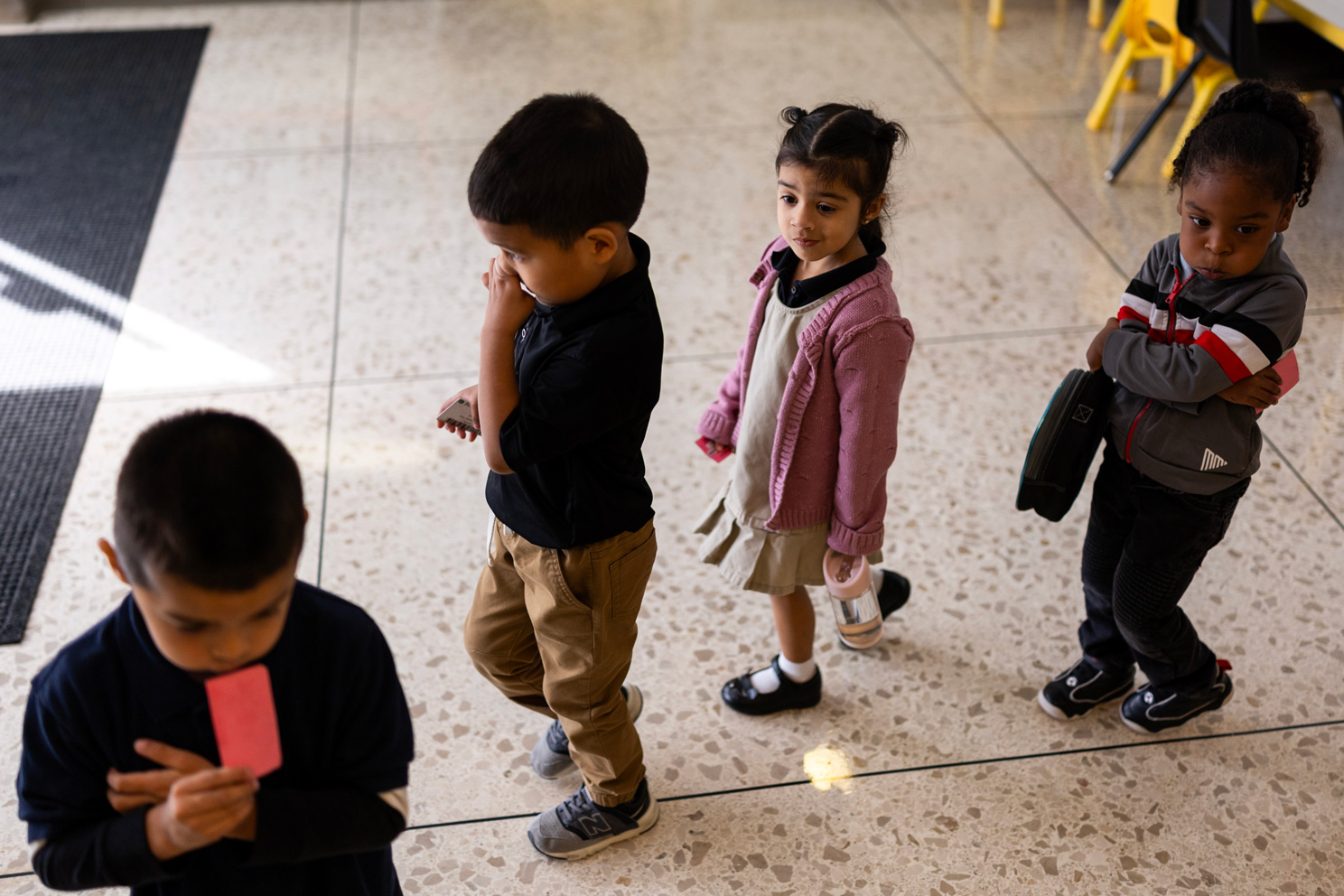
The Landing asked how HISD had served nearly 16,000 pre-K children before COVID-19 if capacity now stands several thousand seats fewer. Elizondo said she did not know and conjectured previous administrations may have used classroom setups not compliant with early education rules.
Still, if HISD expands its pre-K capacity to 17,000 or more under the bond, district administrators will face an uphill battle to fill the slots.
HISD said there are roughly 39,000 3- and 4-year-olds living within district boundaries who are eligible for programs, but most of them — a total that could more than fill the Toyota Center, Hole pointed out — have not accessed preschool options.
Information barriers may partially explain the disconnect, Hole said. HISD is looking into targeted online advertising and door-to-door campaigns to bridge the gap, she said.
In the meantime, the district is left to make educated guesses about where to place additional pre-K classrooms based on where it thinks family demand could spike. The process leaves some uncertainty as to whether newly built seats will actually get filled.
“We have to decide to invest in that new classroom before we have confirmation that families are ready to go, necessarily,” Hole said. “We don't want to communicate to a family there's space available if that classroom is not ready to go.”
Asher Lehrer-Small covers Houston ISD for the Landing. Find him @by_ash_ls on Instagram and @small_asher on X, or reach him directly at asher@houstonlanding.org.

