


Houston ISD is set to join a nationwide lawsuit that argues several major social media companies fueled an “unprecedented mental health crisis” among young people — and should pay school districts for the fallout.
HISD’s state-appointed board unanimously voted Thursday to enter into a legal agreement with three Texas firms that will represent the district in a two-year-old case that already involves hundreds of districts across the country. Under the deal, HISD will only have to pay legal fees if it wins or settles the lawsuit.
The districts already involved in the case argue the companies that own Instagram, TikTok, Snapchat and YouTube created “addictive and dangerous” platforms that have spawned numerous problems for children and schools. Districts say they have had to hire additional staff to attend to students’ mounting social-emotional challenges, repair property that children damaged while participating in viral trends, spend time responding to repeated safety threats made over social media and more.
In response to school districts’ allegations, the four social media giants have largely made the case that they should not be on the hook for how children choose to engage online. Legal observers have said the school districts might face a steep challenge in winning the case.
HISD board member Angela Flowers said she has seen a wave of emotional turmoil wash over the younger generation as the mother of two recent graduates from the district’s Lamar High School. When her kids were in high school, they knew about a dozen classmates, friends and acquaintances who took their own lives, Flowers said.
“The data is that the suicides are up. That is the scary data,” Flowers said. “That’s why (social media) is like tobacco, it’s like alcohol. You cannot feed it to children.”
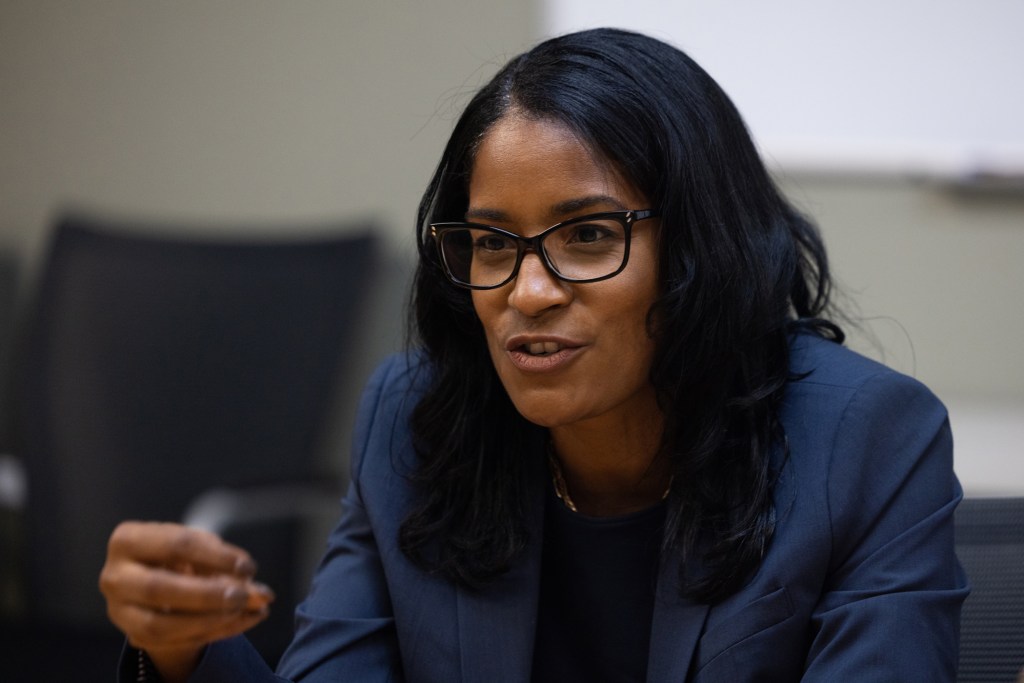
Board member Adam Rivon added that the lawsuit has few financial downsides. If HISD wins, it can use the money to further invest in youth mental health resources, he said.
“There’s no upfront cost and the district has the opportunity to get a potential payout, depending on the outcomes,” Rivon said.
In a February 2024 motion to have the lawsuit dismissed, lawyers for the companies argued the school districts’ claims are too broad and indirect.
“Plaintiffs … ask this Court to create near-limitless liability, making the providers of online communications services liable not only to any individual who has had a negative experience online, but also to other entities, like the school districts, who come into contact with these individuals,” the motion read.
U.S. District Judge Yvonne Gonzalez Rogers slightly limited the scope of the case but otherwise denied the companies’ request to dismiss the case in October. Rogers wrote that the districts had “plausibly alleged (the platforms) have contributed to negative mental health outcomes for students, causing foreseeable resource expenditures by the school districts to combat that alleged public health crisis.”
The timeline for resolving the case remains unclear. HISD did not immediately respond to a request for comment. David Thompson, a partner at Thompson and Horton, LLP, one of the firms working with HISD, said he could not comment without first receiving approval from district leaders.

related to education
Many children are struggling with mental health. These Houston-area resources can help.
by Asher Lehrer-Small / Staff Writer
Even if districts don’t score a legal win, the lawsuit can help shape public perception around the issue of youth social media use, said Chris Thomas, an assistant professor of educational leadership and policy at the University of Florida, in an interview with EdWeek.
“Most of these (lawsuits) are as much about legal success as they are about shaping issues and winning in the court of public opinion,” Thomas said. “That is part of the strategy around the lawsuits, even if they have tough hills to climb legally.”
Win, lose or settle, Flowers wants to see HISD expand limits on students’ phone and social media use at school. She suggested several strategies that the district could look toward, including having teachers collect phones at the beginning of class or requiring students lock their phones in pocket-sized pouches for the duration of the school day.
“We can’t keep knowing that it’s bad and not doing anything about it,” she said.
Asher Lehrer-Small covers Houston ISD for the Landing. Find him @by_ash_ls on Instagram and @small_asher on X, or reach him directly at asher@houstonlanding.org.

