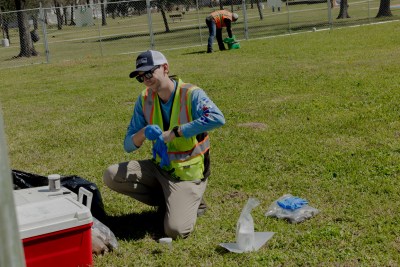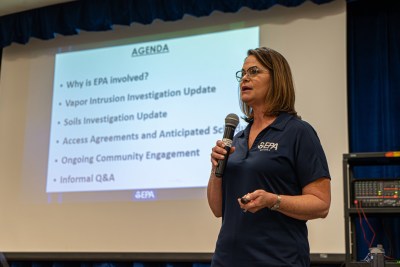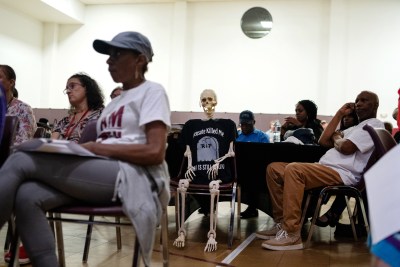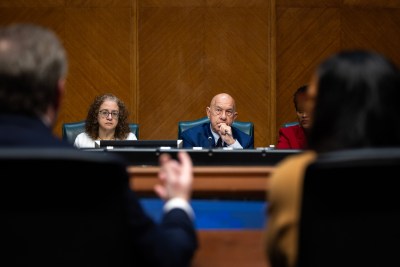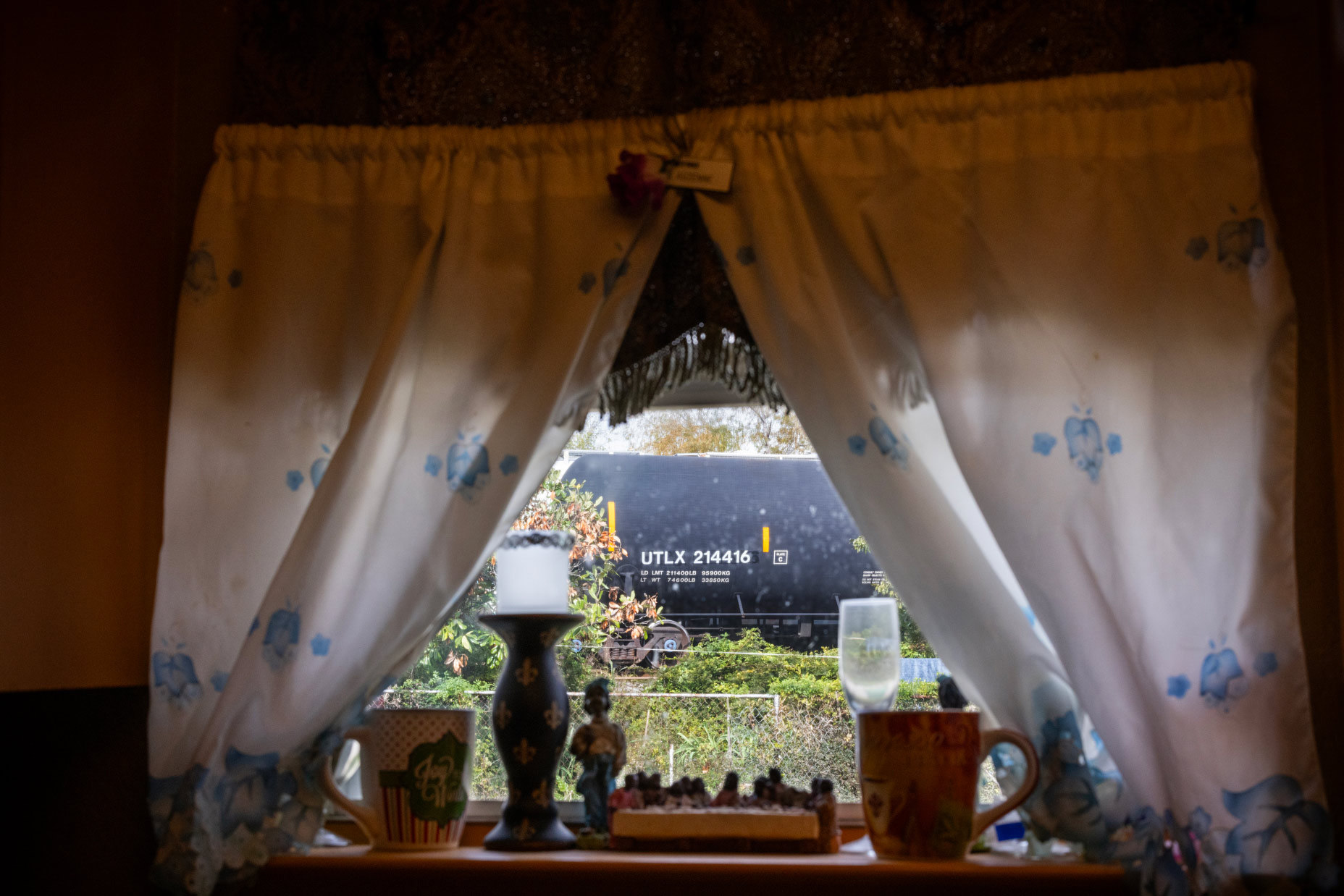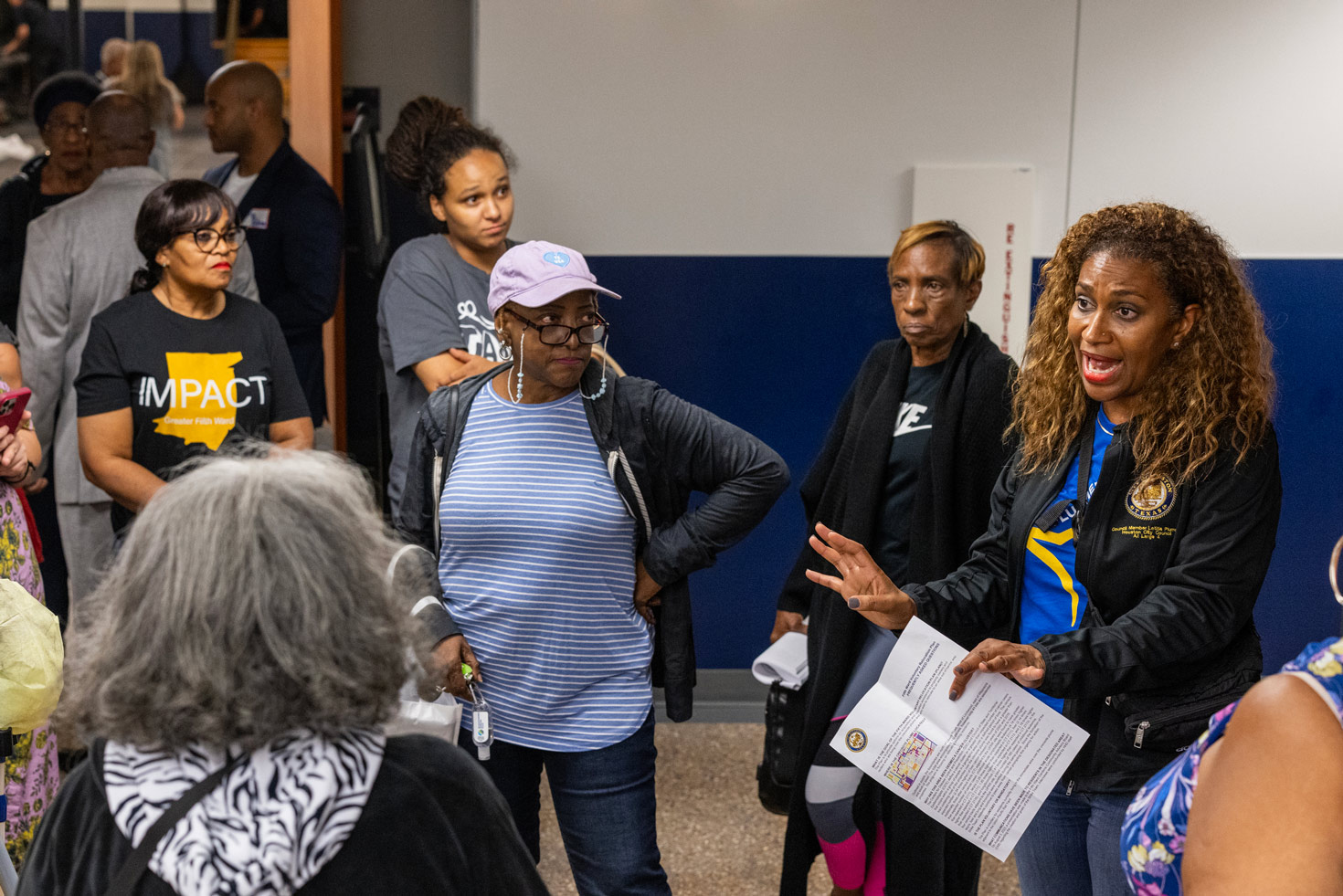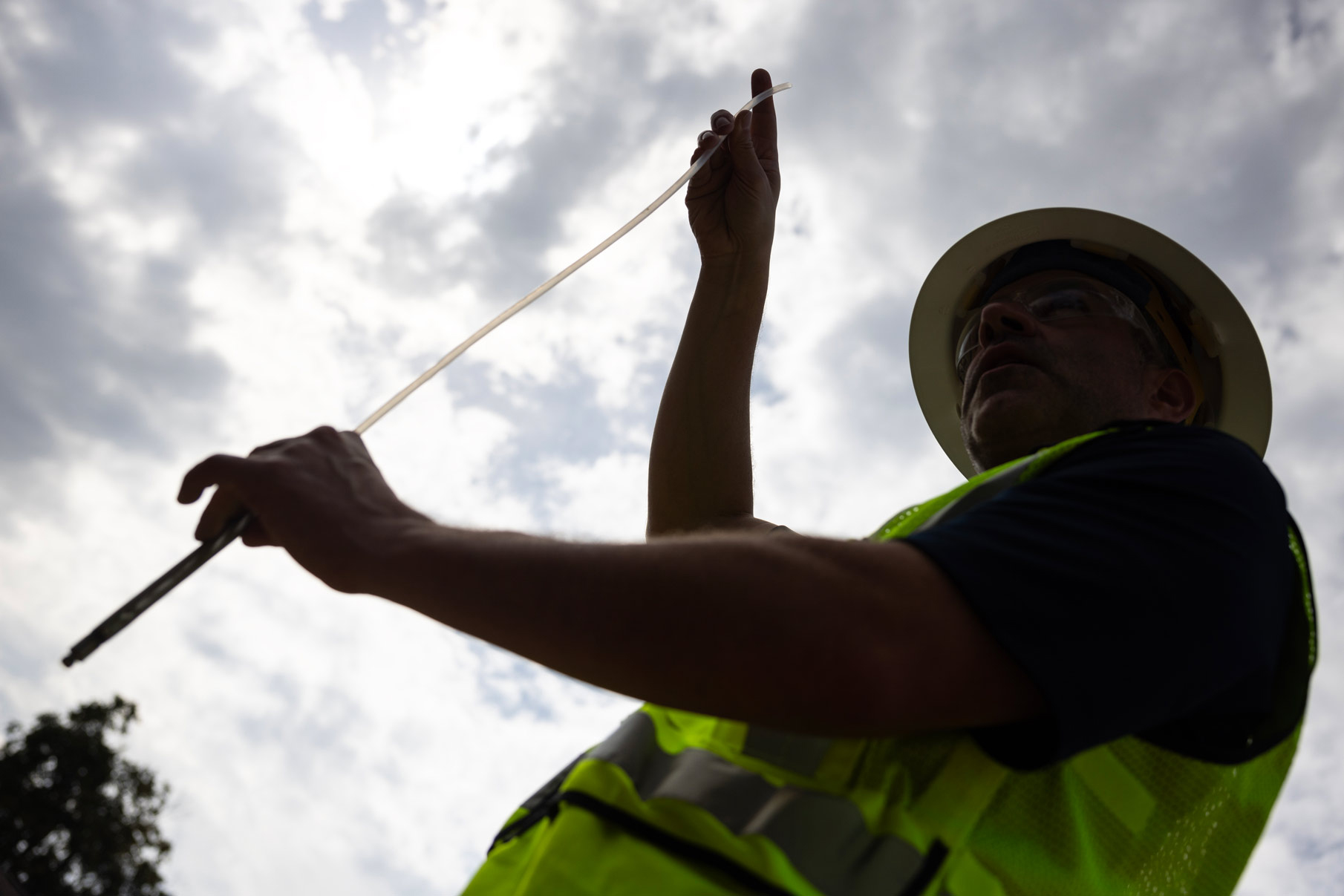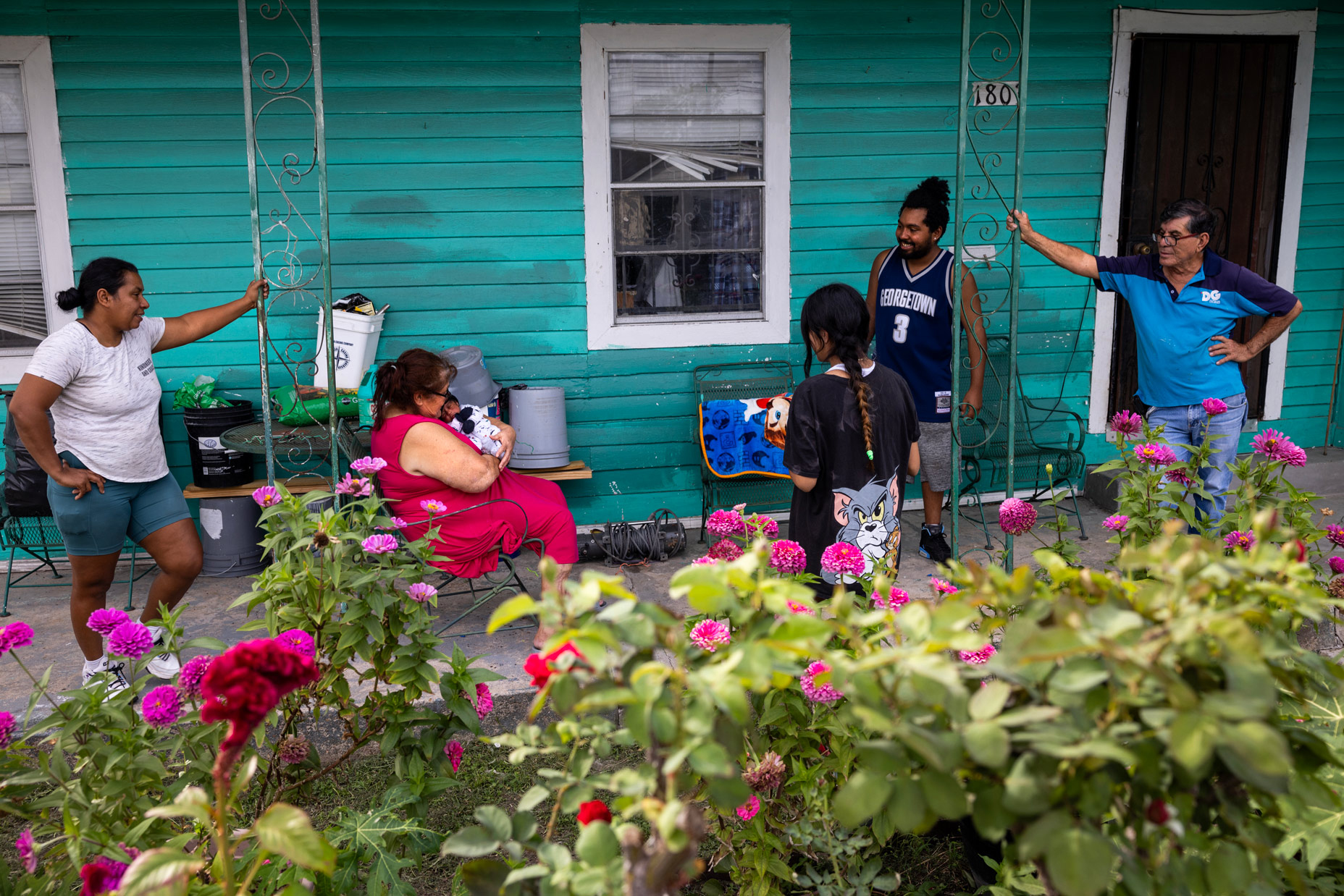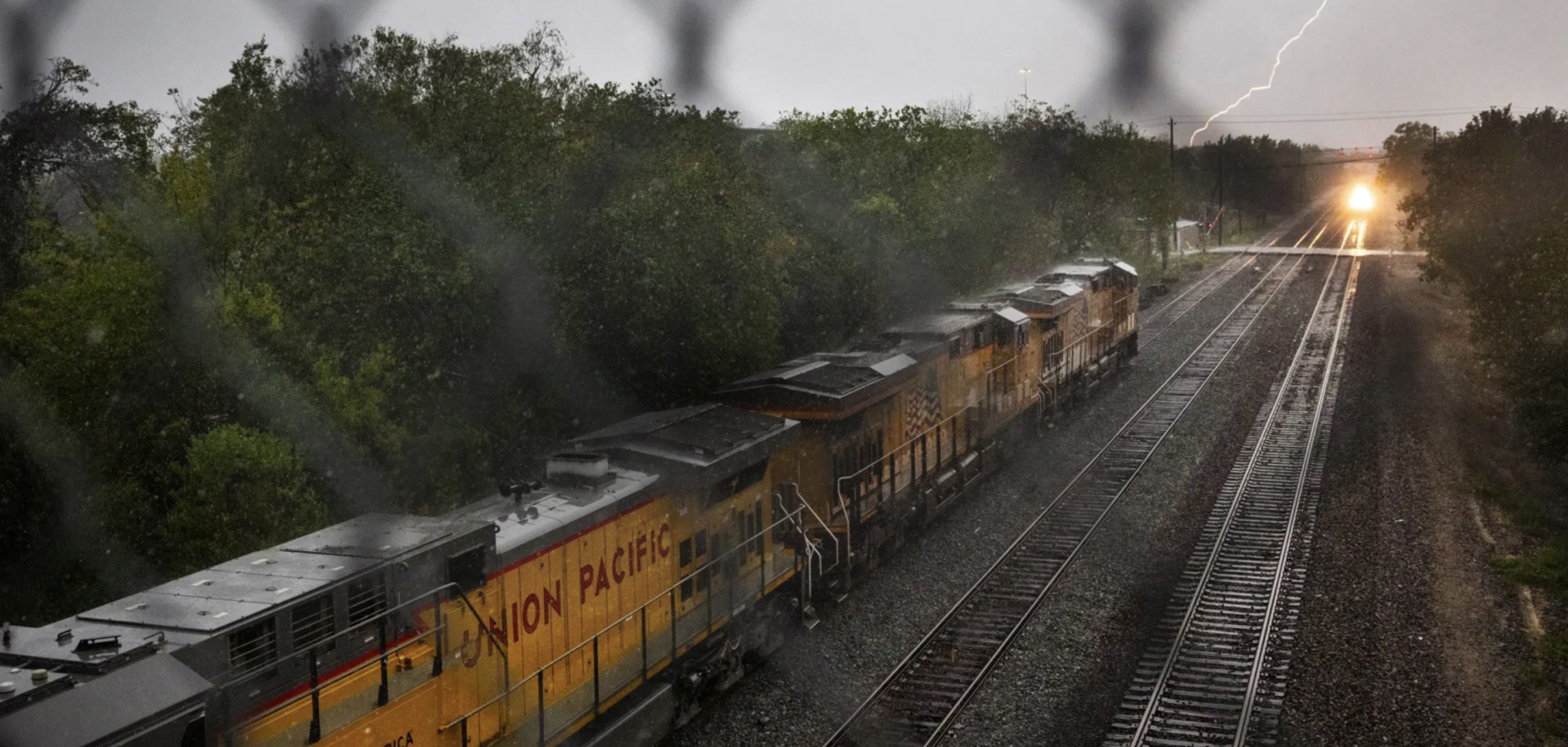
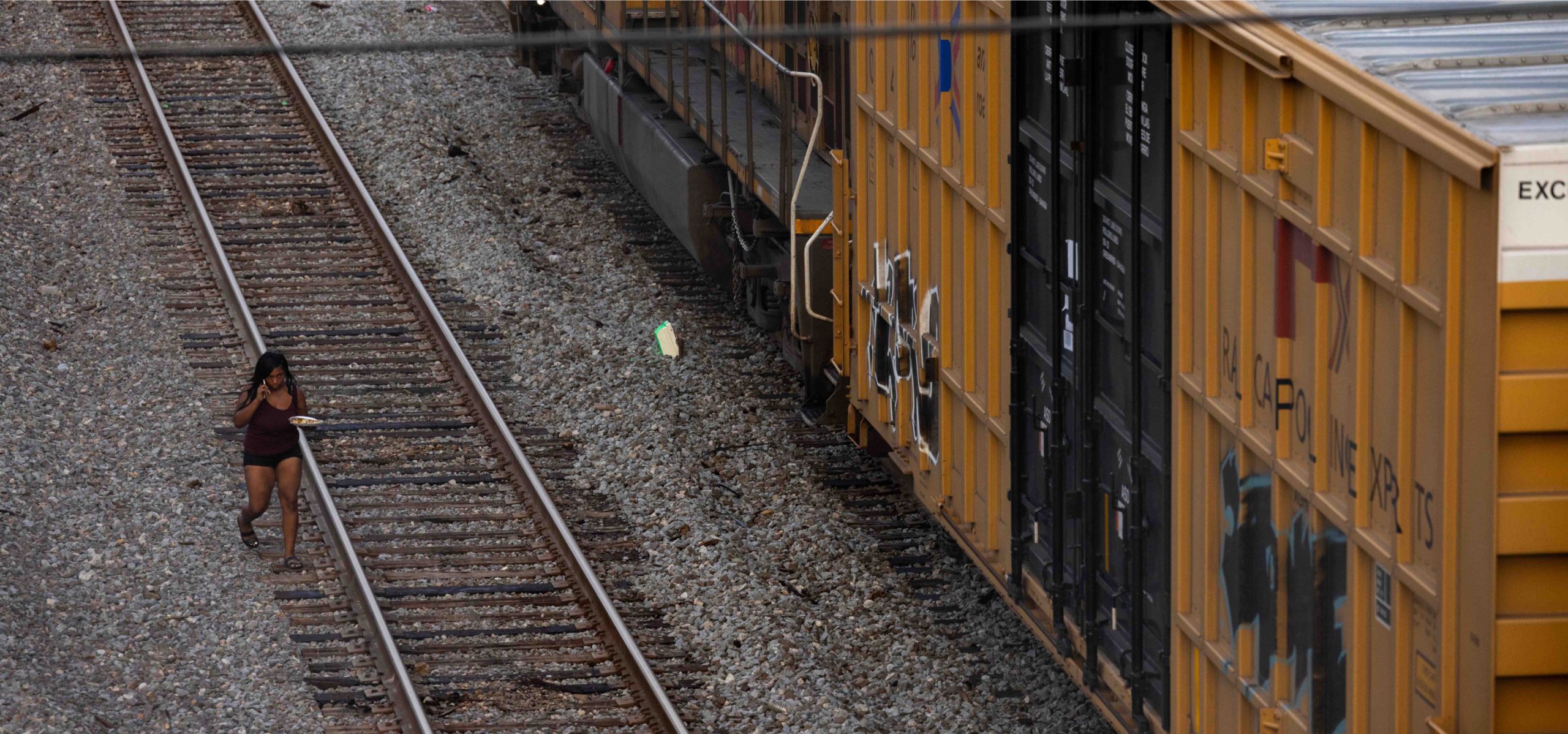


In Houston’s Greater Fifth Ward, residents have long lived with contamination bubbling under their feet and cancer in their homes.
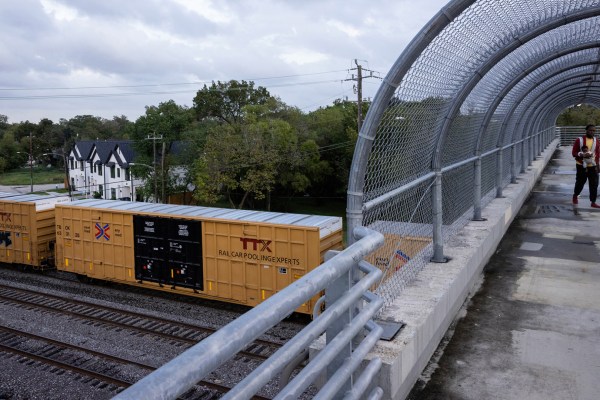
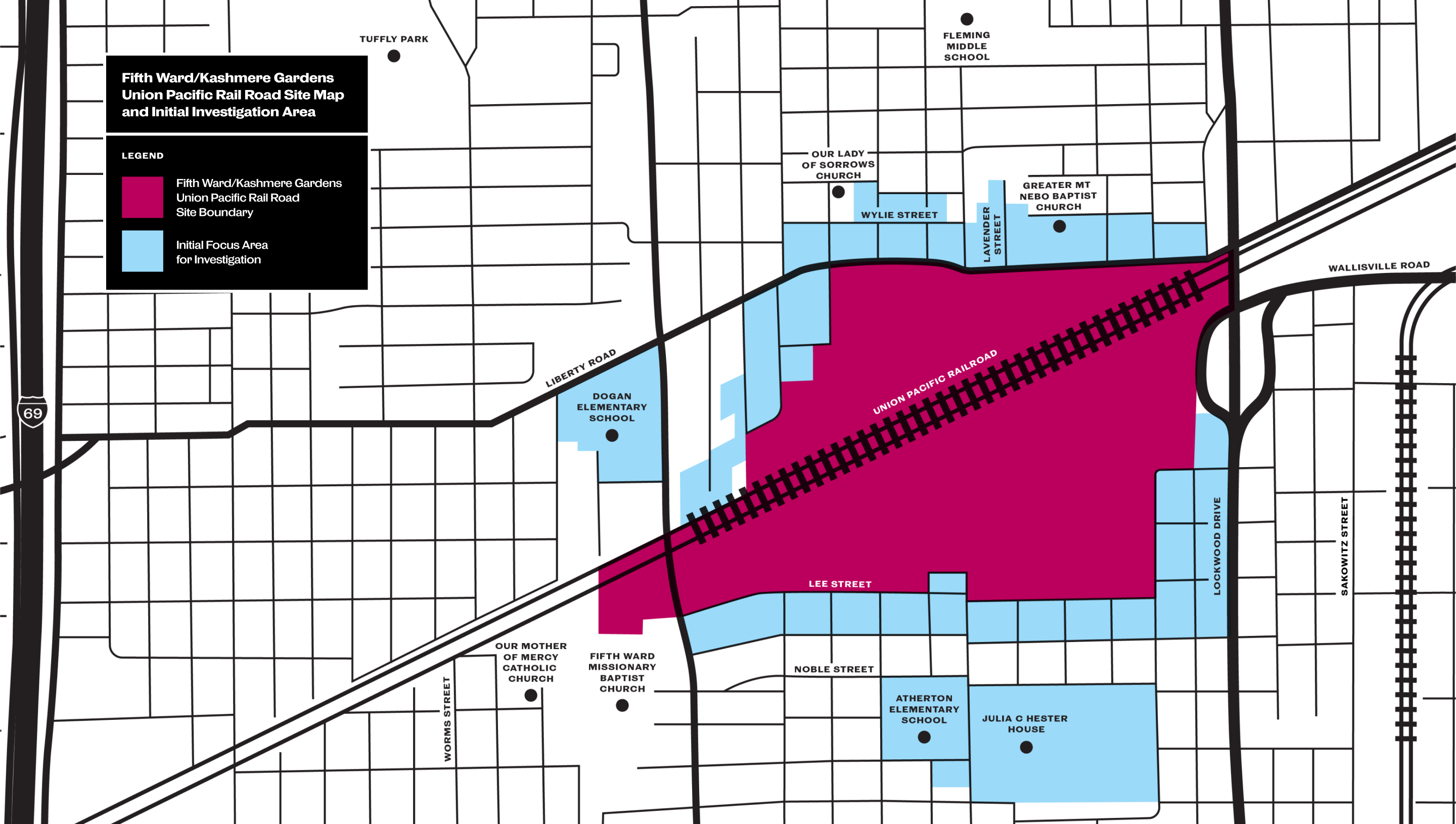
From 1899 to 1984, workers at a rail yard operated by Southern Pacific Railroad used hazardous chemicals to preserve wooden railroad ties. This substance – called creosote – contains several known carcinogens.
These chemicals leached underground and spread out into the community, and over time, a groundwater plume of contamination formed under residential homes.
In 2019, the Texas Department of Health found that the Greater Fifth Ward area, along with other nearby neighborhoods, had higher-than-average rates of cancer cases.
The state designated them cancer clusters.
Reported by
Elena Bruess | Staff writer
Angelica Perez | Staff writer
Michael Murney | Staff writer
Antranik Tavitian | Staff photographer
Edited by
John Tedesco | Editor
Designed by
Emily Datsko | Web designer
main Story
Houston’s Greater Fifth Ward is in a cancer cluster. Why don’t all the new residents know?
Explainer
Is your home in a cancer cluster? Here’s how to identify environmental risks in Houston
Follow up
City halts development in Greater Fifth Ward cancer cluster following Landing investigation
Brochure
Download and print our creosote brochure
Timeline of Union Pacific Wood Preservation Site
1899-1984
The Southern Pacific Transportation Company operates a wood-preservation site by treating wood with creosote, which contains several known carcinogens.
1984
Southern Pacific shuts the wood-preservation down, but the railyard is still operating.
1997
Southern Pacific merges with Union Pacific Railroad.
2002
Former employees from Southern Pacific file a lawsuit against Union Pacific, claiming that exposure to creosote caused numerous health implications. The employees lose.
2005
The Texas Commission on Environmental Quality issues a Resource Conservation and Recovery Act (RCRA) permit to Union Pacific for the cleanup of the old wood-preservation site. This is also known as a hazardous waste permit.
2005-2014
Union Pacific conducts site remediation.
2014
Union Pacific files a RCRA permit renewal and continues remediation on site
Mid-2019
The city of Houston’s Health Department begins testing for contaminants in the neighborhood
Late 2019
Houston’s Health Department contacts the Texas Department of State Health Services requesting a cancer cluster analysis. DSHS already completed an analysis in August 2019 after a TCEQ request.
Early 2020
DSHS publishes its additional cancer cluster analysis, concluding that Greater Fifth Ward, Kashmere Gardens and other communities have a higher than expected rate of certain types of cancer from 2000 to 2016.
DSHS also publishes an investigation on birth defects and finds that one birth defect which impacts the abdominal wall is twice as high in a mile radius around the Union Pacific site than the rest of Houston.
2020
Houston’s Health Department conducts its own testing in Greater Fifth Ward, near the old rail yard site.
Mid-2022
Harris County, the city of Houston and environmental attorney Jim Blackburn separately filed an intent to sue Union Pacific.
Late 2022
Houston’s Health Department publishes testing results, which found levels of cancerous dioxins within the soil.
Early 2023
Union Pacific enters into an agreement with the Environmental Protection Agency to begin testing for contamination related to creosote in Greater Fifth Ward.
Latest Coverage