

State of H-Town is a weekly column wrapping up the latest in Houston-area politics.
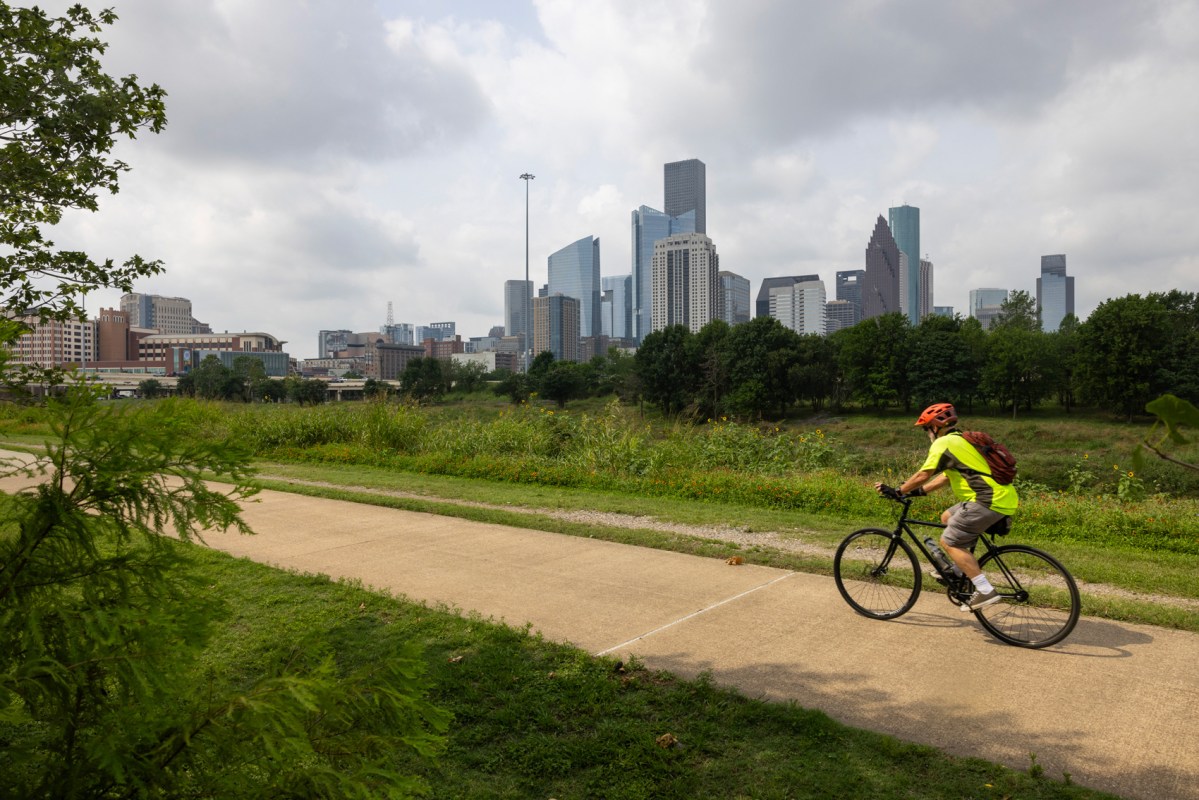
Mayor John Whitmire spoke to riders at the start of the 18th Annual Tour de Houston on Sunday and was met with a chorus of boos heard in a video posted on X.
The incident comes on the heels of multiple clashes between advocates for alternative transit and the Whitmire administration.
Since taking office at the start of 2024, Whitmire has drawn criticism in some corners for removing pedestrian and cycling infrastructure on roads across the city. Most recently, he ordered crews to rip up a protected bike lane on Austin Street to be replaced with shared lane markings, known as sharrows. Advocates said the move would make the street less safe for bikers, and the administration revised its plan to instead create an unprotected bike lane following the outcry.
The mayor defended the original removal, citing maintenance and safety concerns from some residents and city departments.
He has used that same reasoning in other removals that alternative transportation advocates say make Houston roads less safe for those not driving a car.
Whitmire is not alone in taking a second look at city initiatives to force vehicles to share city streets with others. He does, however, have unrivaled power to make unilateral changes in the largest city in the state because of Houston’s strong-mayor form of government.
“I think the mayor of Houston is the most radical elected official in our state on these issues,” said Jay Blazek Crossley, executive director of Farm&City, a Texas nonprofit that advocates for expanded transit options to connect the state. “He’s sort of testing it out, and some other elected officials are like, ‘Hey, look what this guy is doing.’”
Some legislators at the Texas Capitol in Austin are hoping to force similar changes across the rest of the state by limiting cities’ ability to make decisions about the use of their roadways.
The most radical of the proposals is from Sen. Bob Hall, R-Rockwall, whose Senate Bill 1993 would ban any municipality from removing existing roadway space in favor of an alternative use, including turn lanes, dedicated bus lanes, bike lanes, pedestrian refuges and sidewalks. The bill also would prohibit cities from narrowing existing traffic lanes for any use other than adding additional traffic lanes.
The bill is still awaiting a committee hearing in the Senate, indicating it faces an uphill battle to become law.
Meanwhile, a bill by Sen. Paul Bettencourt, R-Houston, S.B. 2238, would bar cities and counties from implementing initiatives that restrict or disincentivize other forms of transportation not already banned under state law.
As chair of the Senate Committee on Local Government, Bettencourt was able to bring his bill up for a hearing at the end of March, where he pointed to Austin’s Living Streets Program as one such local initiative he hoped to end with the legislation. That program gives Austin residents the ability to apply through the city to shut down neighborhood roads on a temporary basis for things like block parties and outdoor exercise.
“Cities and counties are creating mobility initiatives that can dramatically restrict modes of transportation, roadway access and increase costs for drivers,” Bettencourt said when introducing the bill at the March 31 hearing.
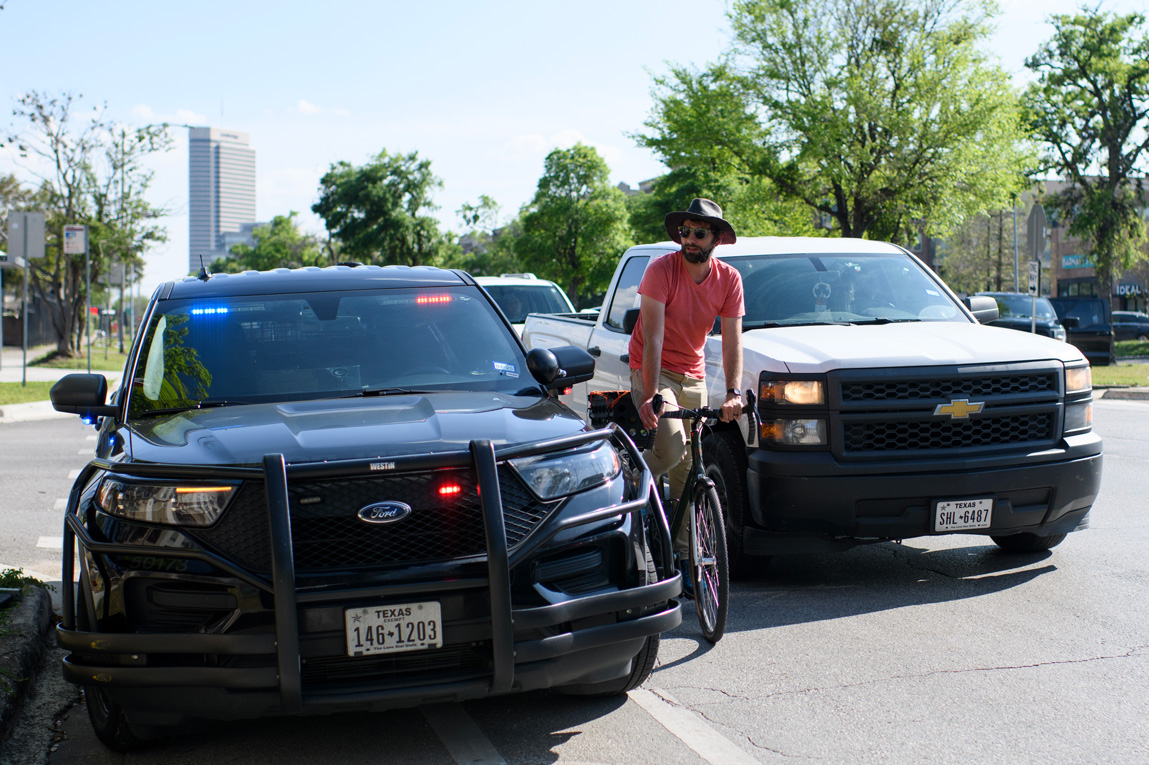

Bettencourt’s bill still requires committee approval before it can move to the full Senate.
While it is still unclear how the attempts at restricting mobility infrastructure will fare in the state capitol, advocates said there is a broader trend afoot in Texas to backtrack on years of infrastructure projects intended to make the state safer for all users and reduce congestion.
“If we could create an infrastructure where those already in the city can get out of their vehicles, then the city will have no problems,” said Nick Arcos, director of communications and marketing for LINK Houston, an advocacy group for a diverse transportation network in the city. “We don’t believe the state should set those controls, but we also believe our local leaders in Houston should look at the data behind these decisions, as well.”
Cyclist fatalities in the state increased 58 percent from 2019 to 2023, with 2,604 traffic crashes in Texas involving cyclists. And in Houston, 2024 saw the highest number of roadway deaths in the city’s history, according to the Texas Department of Transportation.
Campaign finance
Tuesday marked the first significant benchmark of the Congressional District 18 campaign as candidates’ campaign finance reports were due, offering a progress report on their attempts to build early momentum ahead of the November special election.
The reports covered fundraising for the month of March, when Texas Gov. Greg Abbott had not yet set the date of the election.
Harris County Attorney Christian Menefee’s early and splashy entrance into the race appears to have worked, as he led the pack in fundraising and now enjoys a narrow advantage in cash on hand.
Menefee raised just over $391,000, narrowly beating out former At-Large City Council member Amanda Edwards, who raised $375,000.

The reports indicate both candidates have a strong base of support from donors and are well positioned going forward. Menefee has just under $375,000 in cash on hand compared to Edwards’ $351,000, according to Federal Election Commission data.
Isaiah Martin, a 26-year-old former staffer to the late U.S. Rep. Sheila Jackson Lee, also is in a strong position with $218,000 in his war chest. Martin was able to raise a little more than $71,000 in March, adding to leftover funds from his brief 2024 campaign for the Congressional seat.
The three Democrats now find themselves in an incredibly crowded field. The FEC’s website now shows 20 candidates that have registered their campaigns with the commission.
Acres Homes community advocate Rain Eatmon, Fifth Ward community advocate James Joseph and 2024 CD-18 candidate Robert Slater are all recent entries to the race.At-Large Houston City Council
member Letitia Plummer and state Rep. Jolanda Jones, D-Houston, have said they are considering bids.
Early voting looms
Speaking of voting, some Harris County residents can head to the polls starting next week ahead of Election Day on May 3.
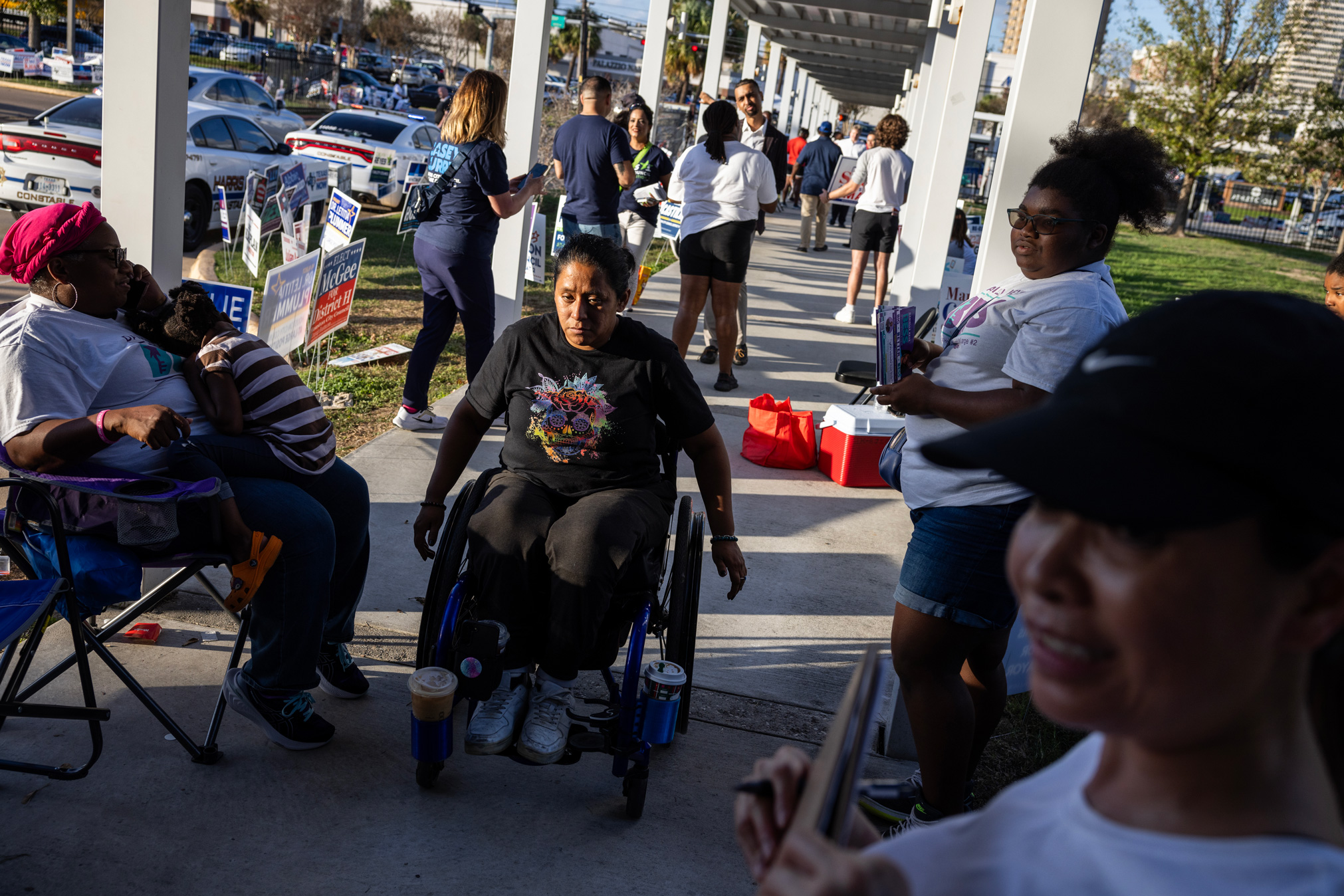
The cities of Friendswood, Jersey Village, Nassau Bay, Pasadena, South Houston and West University Place are all holding municipal elections, along with Clear Creek, Humble, Pasadena, Tomball and Waller independent school districts. A handful of public and municipal utility district elections also are being held around the county.
Municipal elections are an opportunity for residents’ votes to carry more weight than the statewide and national elections that often dominate headlines because turnout usually is much lower and far fewer people are eligible to participate.
Residents unsure whether they live in an area that is holding an election can search their address for a sample ballot at HarrisVotes.com. The website also allows residents to view their nearest polling location and its voting hours.
Early voting runs through April 29.

