

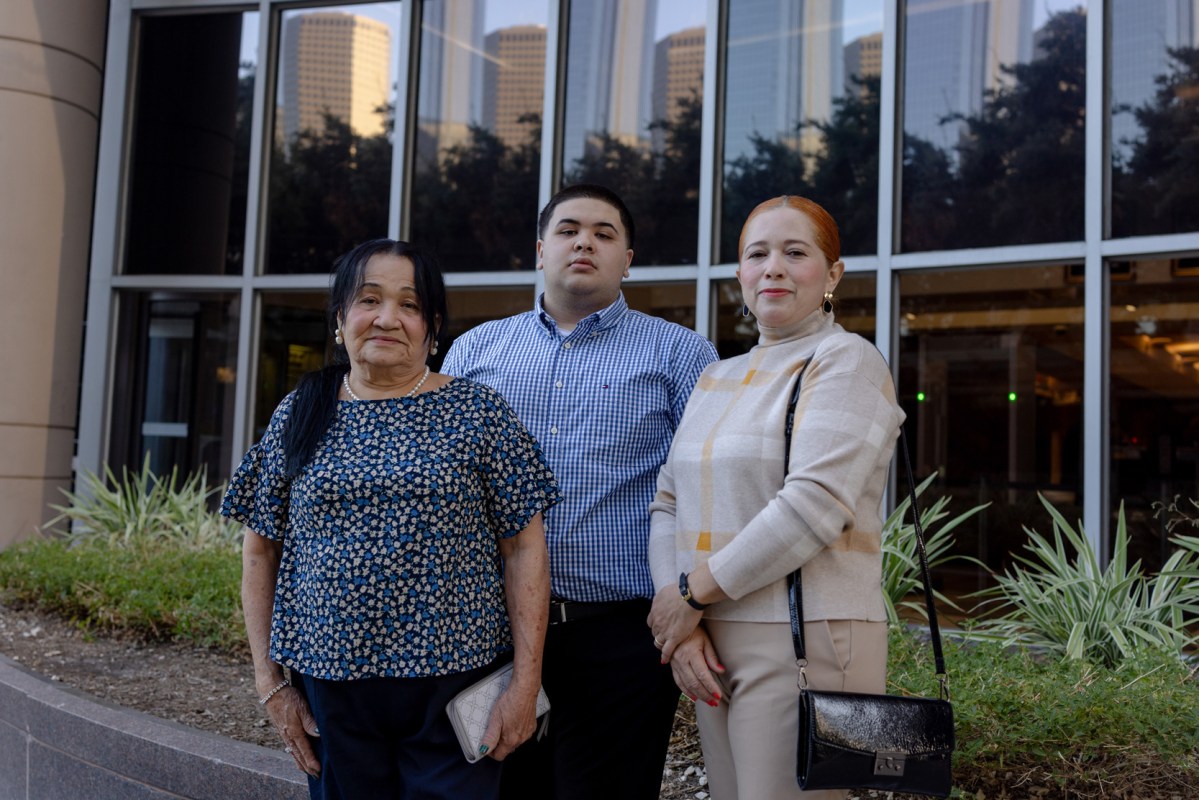
The U.S. Attorney’s Office for the Southern District of Texas appealed on Thursday a federal judge’s decision to award nearly $2 million in damages to the family of Ulises Valladares, a Honduran man fatally shot by an FBI agent during a failed hostage rescue operation in 2018.
The appeal challenges U.S. District Judge Kenneth Hoyt’s ruling that Special Agent Gavin Lappe acted negligently when he fired his rifle through a window of a Houston home, striking and killing Valladares. It also challenges Hoyt’s finding that the federal government could be held liable for Valladares’ death under the Federal Tort Claims Act.
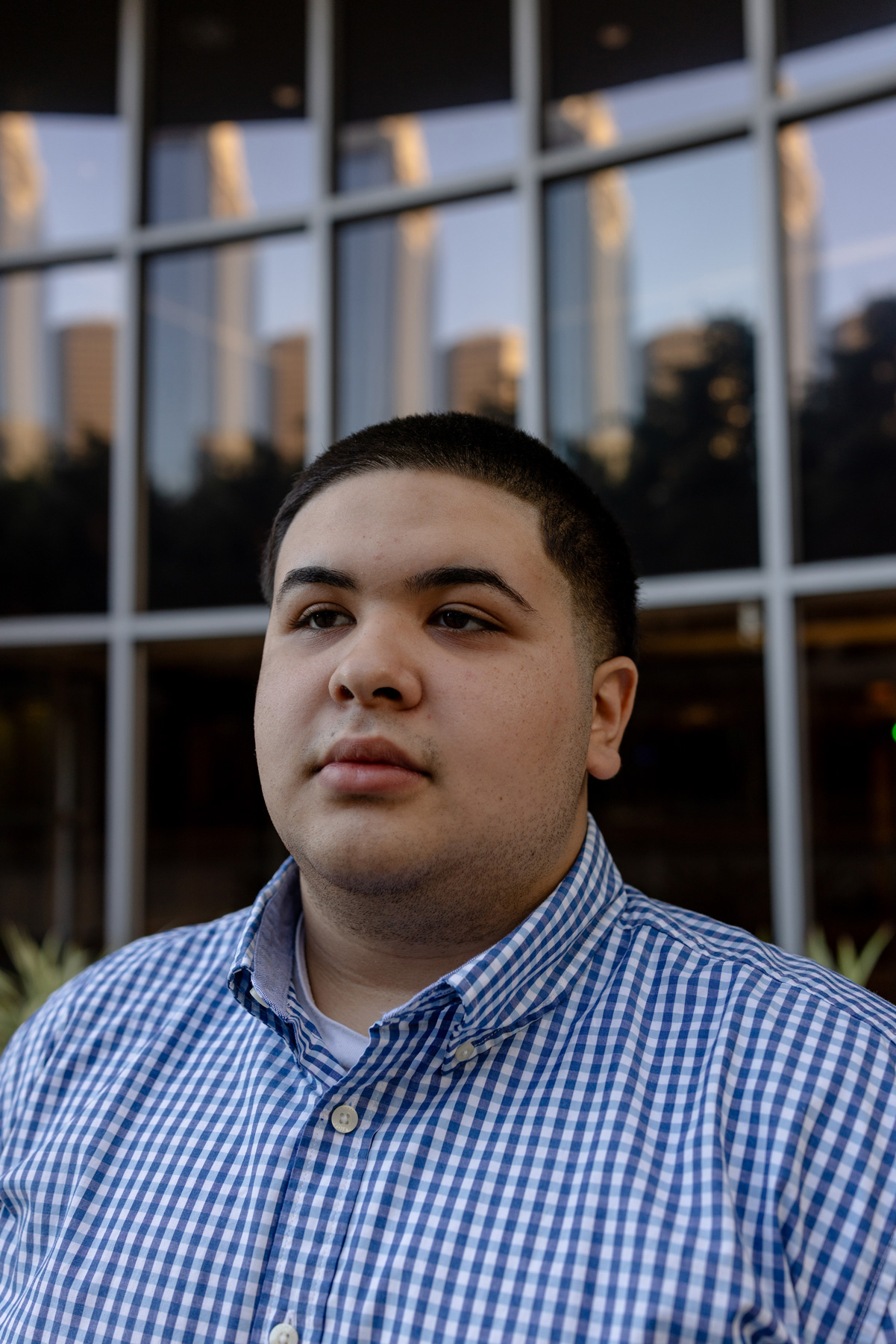
In March, Hoyt awarded $1.3 million to Valladares’ son, who witnessed his father’s abduction at the age of 12, and $611,000 to Valladares’ mother, citing the emotional trauma they endured and the loss of financial support. The judge also approved $475,000 in attorney fees. However, the family’s legal team — Houston civil rights attorneys Randall Kallinen and U.A. Lewis — has asked that the funds be redirected to the victims’ relatives.
In his ten-page order, issued five months after a three-day bench trial, Hoyt found no evidence to support Lappe’s claim that Valladares, who had reportedly been bound with duct tape and held for ransom, had grabbed his rifle.
“Statements by the agents otherwise are not only untrue and unsupported by scientific evidence or logic, they represent intentional falsehoods,” Hoyt wrote, referring to both Lappe and Special Agent Jeffrey Hawkins.
The ruling continues a legal saga that has stretched nearly seven years. In 2021, individual claims against Lappe were dismissed after the Fifth Circuit Court of Appeals overturned Hoyt’s previous ruling, which had determined that Lappe was not shielded by qualified immunity.
A three-judge panel — Judges Patrick Higginbotham, Andrew Oldham, and now-former Judge Gregg Costa — concluded that Lappe had not violated Valladares’ constitutional rights, effectively ending the agent’s liability.
Now, the Fifth Circuit, widely regarded as the most conservative appellate court in the country, will take up the government’s appeal of Hoyt’s latest ruling.
“They’re adding more cruelty (by appealing),” Kallinen said. “They’re dragging this out even more. It’s time to end this.”
The lawsuit stems from a 2018 kidnapping, orchestrated in part by a distant cousin of Valladares over a dispute involving a car sale, according to Valladares’ brother, Ernesto Valladares, who testified during a three-day bench trial in October.
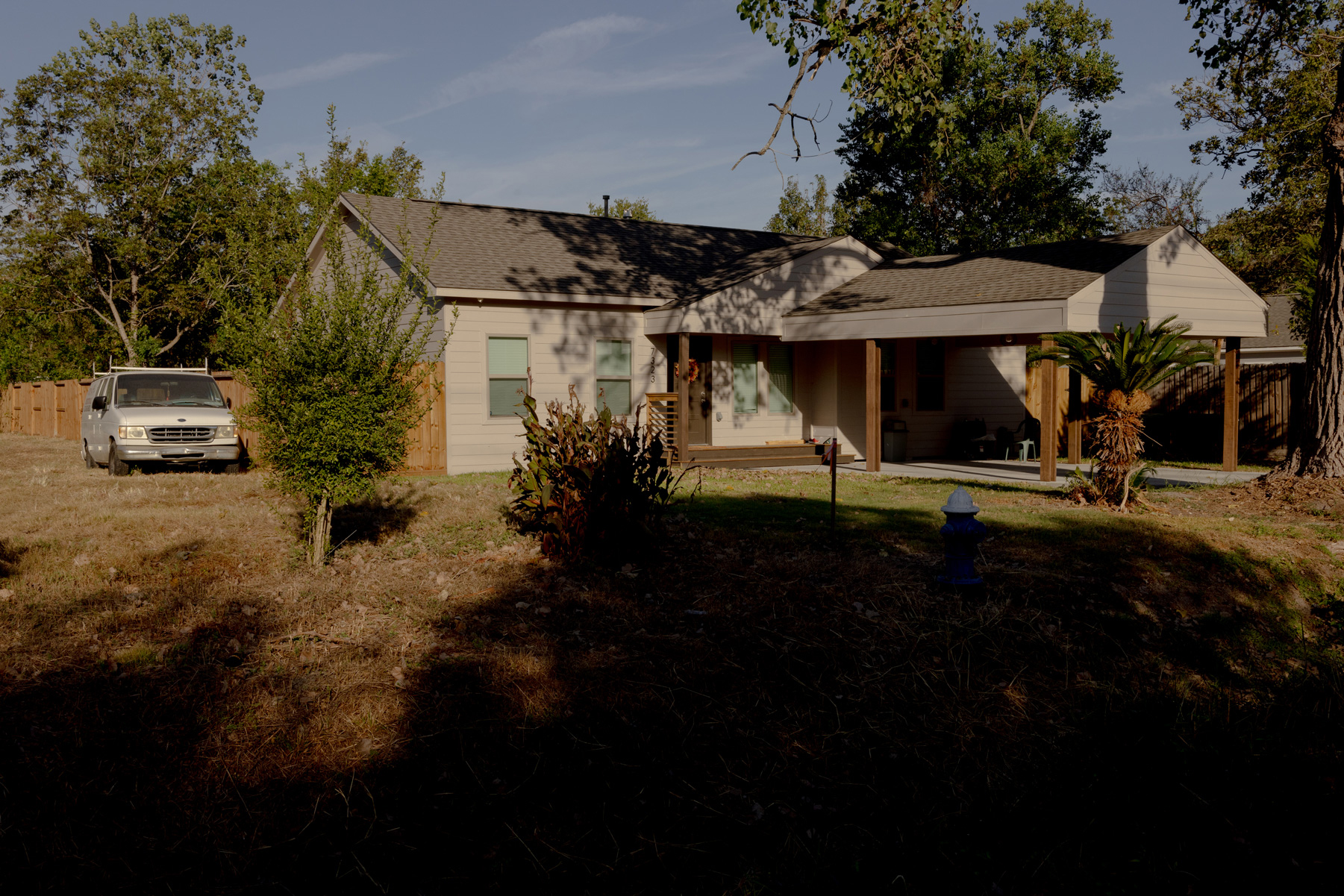
After tracking Valladares and one of his captors to a house on Elbert Street in Trinity Gardens, Lappe and Hawkins positioned themselves on one side of the home. As Hawkins approached to break a window, Lappe saw movement inside and fired two shots, Assistant U.S. Attorney Ariel Wiley said in court.
According to an autopsy report referenced by Hoyt in his order, one of the bullets hit Valladares, passing through his left arm and exiting from his back. He died within minutes, according to authorities.
After the shooting, Lappe claimed he fired because someone had grabbed his gun, fearing it would be taken from him. That assertion was met with skepticism by then-Houston Police Chief Art Acevedo, who told reporters that it was “not supported” by “the totality of the evidence and statements” gathered during his department’s investigation.
Hoyt, appointed to the bench in 1988 by Reagan, drew similar inferences in his order, stating that there was no evidence that Valladares, whose hands were reportedly bound and eyes covered with a black bandana, grabbed Lappe’s rifle or posed a threat to the agents’ safety.
In reviewing the FBI’s deadly force policy, Hoyt also concluded that Lappe neglected to issue a warning before firing.
“Agent Lappe’s actions were not accidental or designed to warn the occupants in the room. He fired a ‘kill’ shot that in fact cause(d) the death of the hostage, Mr. Valladares, Sr.,” Hoyt wrote.
The 2018 shooting was the first by an FBI agent in Harris County in 13 years. More recently, an FBI agent shot and wounded a woman last month who was accused of wielding a machete. On Friday, federal prosecutors announced that they had charged Jennifer Jesselle Perez-Rodriguez with assault of a law enforcement officer in connection with the incident.

