

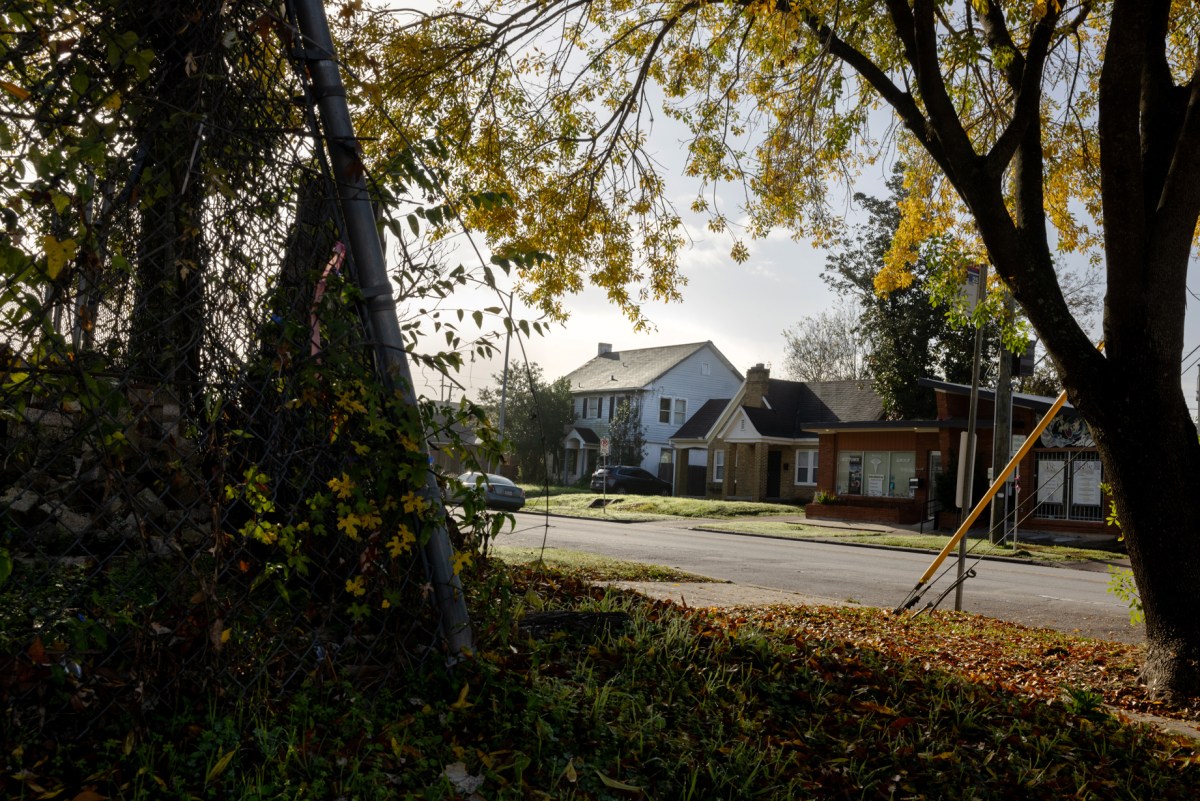
A decade ago, architect Greg Benjamin was scrolling through the Houston Association of Realtors website when he found a house approximately three miles away from his own that looked the same, at least on the outside.
After clicking through some pictures of the other home’s interior, Benjamin was sure the two houses were virtually identical. The discovery itself wasn’t surprising, as identical houses can be found all over Houston, a result of the same builders working in multiple neighborhoods throughout the city.
More astonishing to Benjamin were the divergent property values. Despite only 1,450 square feet in difference between the two plots of land, the difference in overall property value was more than a million dollars.
“It’s not actually the house itself, so it’s location,” Benjamin said. “You realize at the end of the day, the location is kind of rooted in perceived notions of what those neighborhoods mean and why.”
In real estate, “location, location, location” is the No. 1 factor in value. So what makes the two locations different?
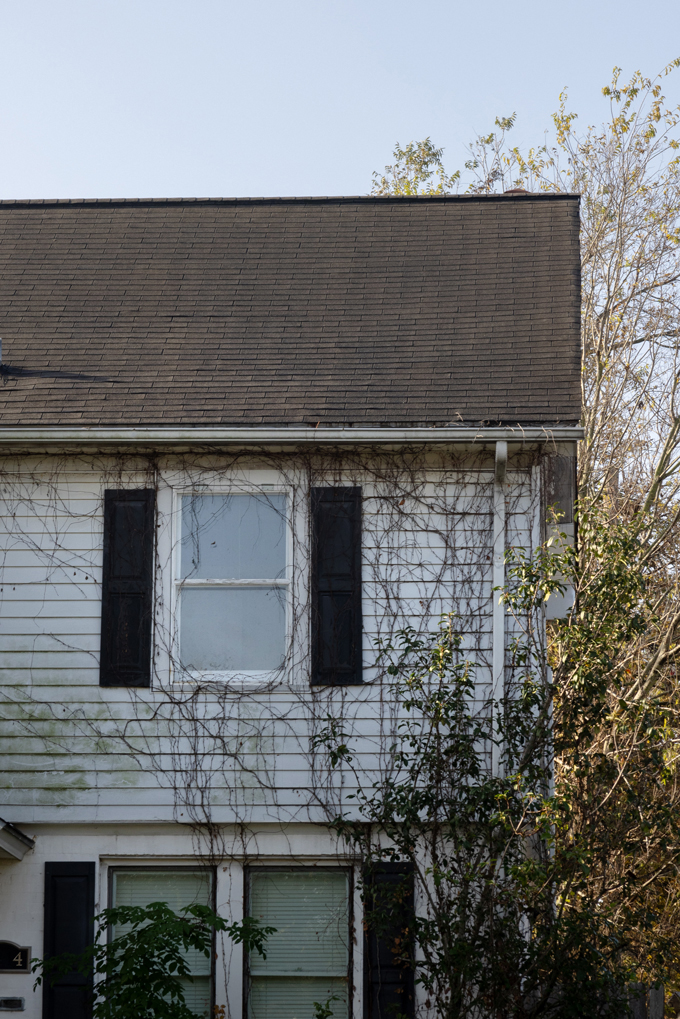
Benjamin’s home is on a quiet unassuming street in Washington Terrace, near Riverside Terrace. Down the block is a Food Mart, and around the corner are a bar and restaurant standing next to each other. Just over a block away is an overpass for Highway 288. His home seems to fit the neighborhood, surrounded by homes of similar size.
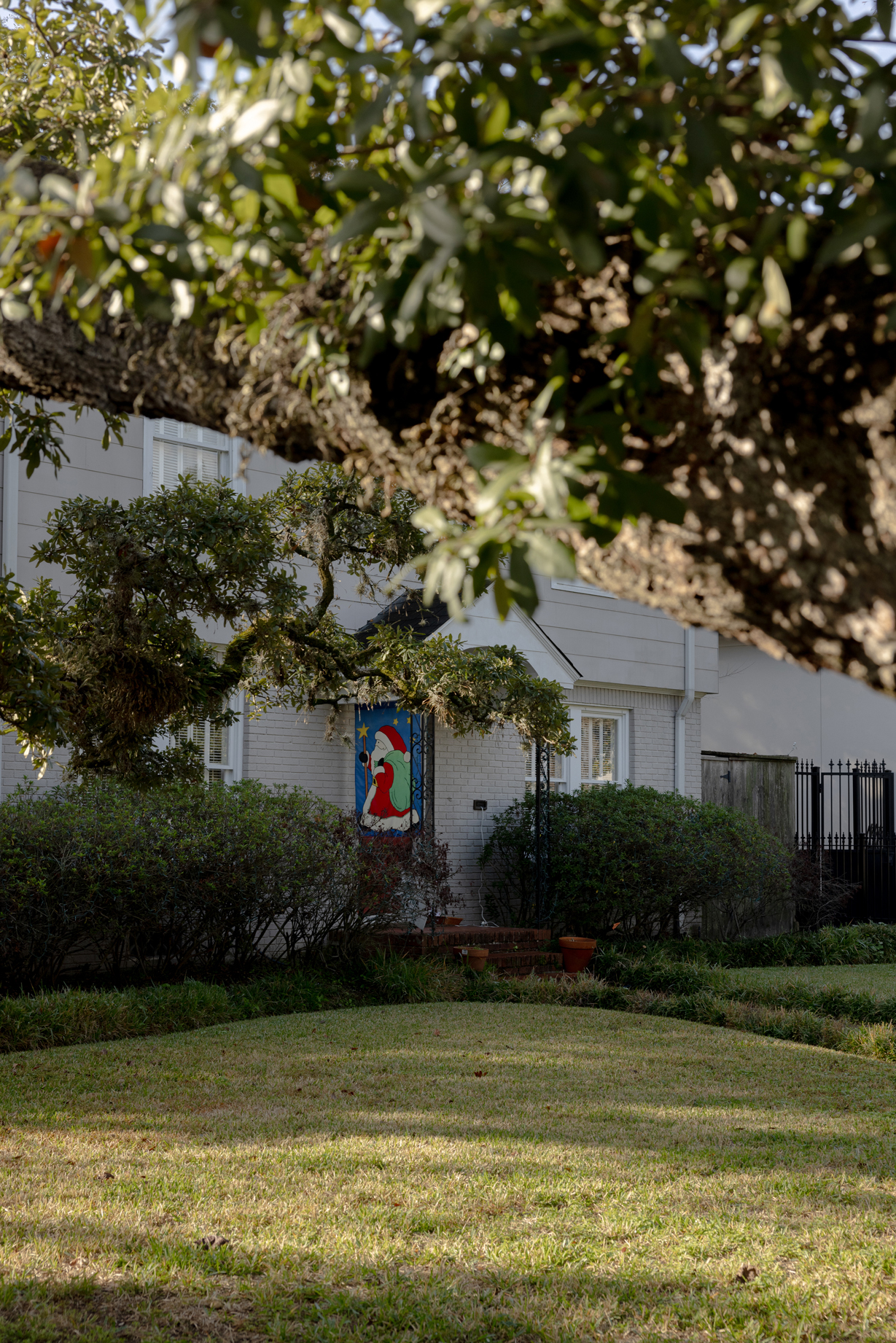
Three miles away, the other house in Southampton Place, near West University Place, sits on a tree-lined street surrounded by gated homes. Across the street is what looks like a mansion with a circular drive out front, with a grassy promenade dividing the street. Standing in front of the home, one would never be able to guess how close the nearest freeway is.
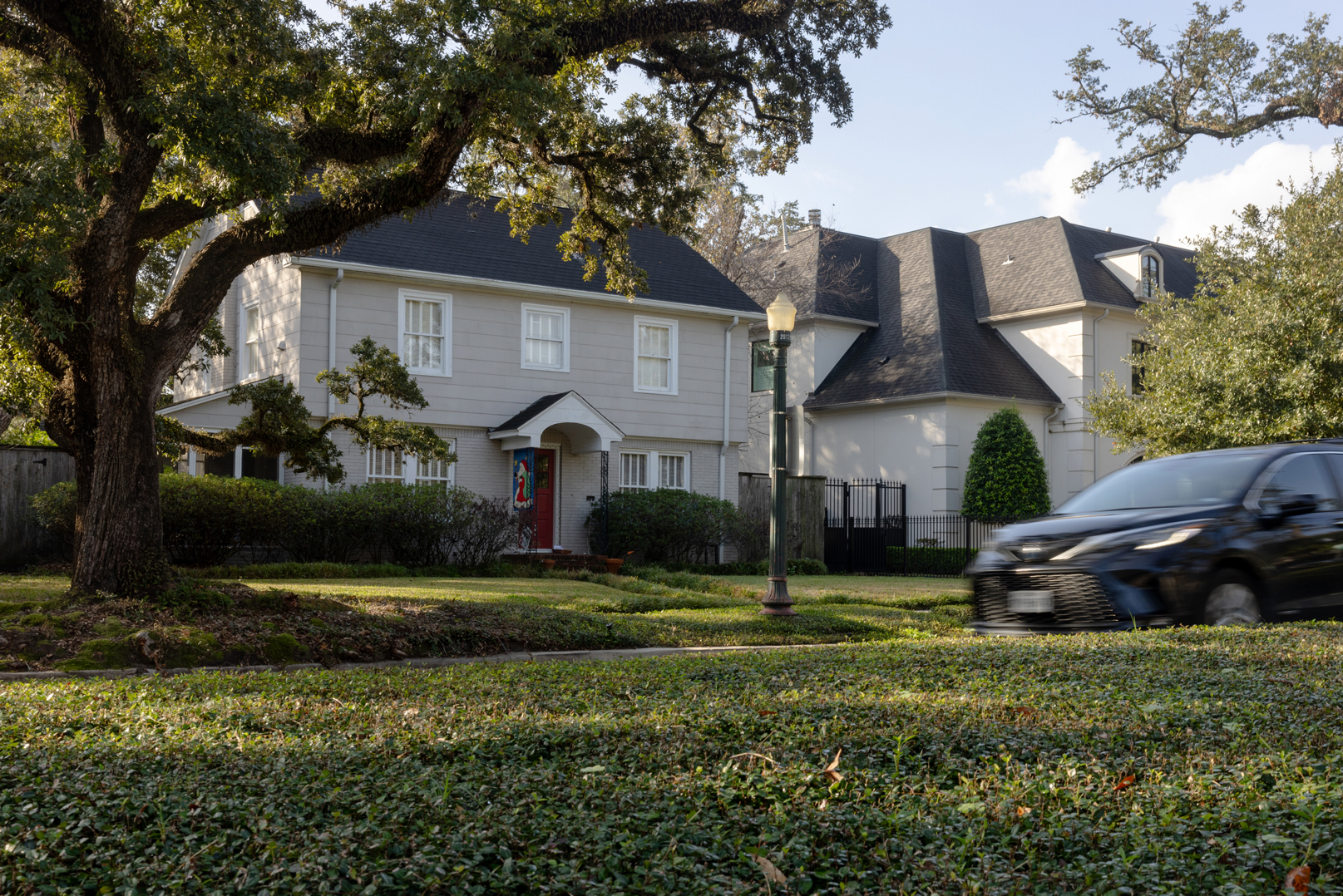
With nearly identical exteriors and wildly different property values, the two homes proved the perfect launching point for the Unequal Inequities exhibit at Architecture Center Houston. The exhibit was unveiled in October and will remain open to the public until January 17, located at 902 Commerce St.
The exhibit follows the structure of “The Color of Law” by Richard Rothstein, a book that explores the history of segregation by examining racially discriminatory policies enacted by state, local, and federal governments.
“That was probably one of the most impactful and productive things . . . just going with the decision of aligning (the exhibit) with the chapters of the book,” said Melvalean McLemore, another contributor and board president of the American Institute of Architects Houston chapter.
The exhibit applies that lens to the history of Houston, and how policies in the city’s past have led to how it is understood and exists today. While the launching point for the exhibit was the two homes, the majority of the exhibit examines the entire city and how it has been shaped by policies and decisions that placed landfills and trash incinerators near minority communities or built freeways through those communities.
“The Houston story is very layered, very multifaceted, and I want (visitors) to be able go in and rethink how they view some of those communities, especially some of the ones that have been historically disenfranchised,” McLemore said. “The objective would be for conversations to start, interest to pique, people to want to be open to looking a little bit more into how neighborhoods evolved.”
It is not just an African-American issue, said Lindsey Williams, a contributor and director of community development at Houston Land Bank.
“This affected all minority communities, immigrant communities, and even more white communities based on religion, like the Jewish population, as well,” Williams said.
That is on display in a neighborhood like Riverside Terrace, which Benjamin said was first a home for affluent Jewish individuals who were blocked from building in River Oaks. Over time, Riverside Terrace became a place where the disenfranchised could go, be they Black residents moving from the Third Ward during integration or LGBTQ+ individuals escaping gentrification in Montrose.
“There’s this continuing story of (Riverside Terrace) being this neighborhood for the disenfranchised,” Benjamin said. “It’s a story 100 years in the making.”
Williams said the exhibit inherently is not going to make visitors feel “warm and fuzzy.”
“It is a horrible feeling to know that that was just the determining factor,” she said. “Not a crime level, nothing to do with any analysis. It was purely based on race and presence.”
That history on display needs to be acknowledged to move forward in a better way, Williams said.
Programming around the exhibit focuses on a second book by Richard and Leah Rothstein called “Just Action: How to Challenge Segregation Enacted Under the Color of Law”.
One event in particular was a design challenge for architecture students from Rice University, Prairie View A&M University and the University of Houston. The intensive one-day challenge asked the students to reimagine some of Houston’s neighborhoods affected by redlining and other policies as if those policies had never existed.
“Architects do have a responsibility outside of just their client. They have a responsibility to the greater good as a whole. And so we wanted the design community to have a full understanding of that,” Williams said. “We can do better in reaching out and engaging with communities throughout our design and making sure we’re tying in their voices and their priorities.”

The students’ designs from the charrette have been added to the exhibit.
“It’s not all dark and sad, but I think moving forward together and following those principles that are laid out in ‘Just Action’ can get us to a brighter side of it,” Williams said.
McLemore said the programming has gotten students to reach out to volunteer in the communities.
“It’s just a testimony to the little seeds you can plant along the way that really can make a difference longterm.”

