
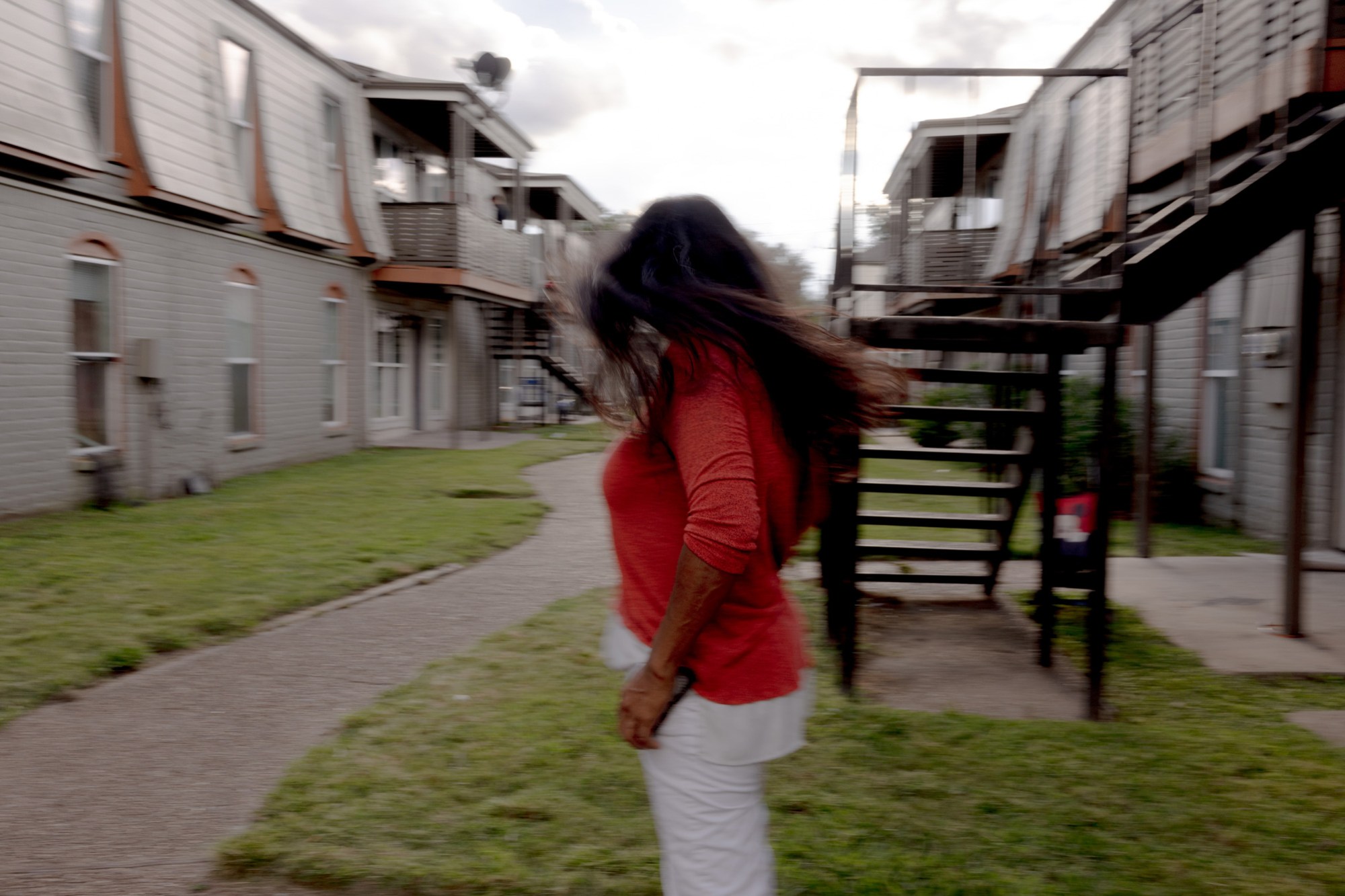

After the news Monday that the Trump administration ended a legal migration program for four nationalities, María explained the change to her 13-year-old son in Nicaragua in a video call from Houston.
“Hijo, right now, we don’t have options,” she told him.
María, who fled Nicaragua because of her work as a journalist and is being identified by first name only for her safety, was hoping to bring her son legally through the program. When her husband was diagnosed with Alzheimer’s disease, reuniting became more urgent so he can spend as much time with his dad while he still remembers.
“Five to eight years could pass [until my asylum case is decided], but during that time, my son will grow up,” María said. “I need to find a way.”
The program, which granted humanitarian parole to live in the U.S. for two years for up to 30,000 Nicaraguans, Cubans, Venezuelans and Haitians per month, was part of the Biden administration’s strategy to open more legal pathways for migrants in the hopes of reducing migrant border crossings. To be eligible, applicants needed a sponsor with legal status in the U.S. Applications were vetted and approved before traveling to the U.S.
Many Houston residents benefitted from the program, although the exact number is uncertain, according to local immigrant groups. The program achieved its goal. The number of unauthorized crossings for these four nationalities decreased by 65 percent in the 14 months after the program began, according to research by the Center for American Progress.
The Biden administration used its executive authority to create the program, meaning that a new president could quickly end it. That’s exactly what President Donald Trump did on his first day in office. He issued an executive order on Jan. 20 ordering the end to the program and other parole programs. On Tuesday, Acting Department of Homeland Security Secretary Benjamine Huffman issued a directive ending the widespread use of humanitarian parole to allow migrants to legally enter the country.
“Today’s executive actions on immigration move us quickly in the wrong direction,” said Todd Schulte, president of bipartisan political organization FWD.us, in a statement Monday. “Eliminating safe, orderly, legal immigration avenues like humanitarian parole and the U.S. refugee admissions program will only drive people to choose irregular migration options.”
Fleeing gang violence and government repression
Venezuelans, Cubans and Nicaraguans are among Houston’s fastest-growing immigration populations, according to a study by D.C.-based think tank Migration Policy Institute. The Haitian population is smaller with less than 10,000 estimated Haitians living in Houston.
The program was a lifeline for these four immigrant populations in Houston, especially as political turmoil engulfed these countries, according to representatives of nationality-based community organizations.
Extrajudicial killings and torture and imprisonment of protesters, political opposition, and journalists have been common in Maria’s native Nicaragua since a 2018 government crackdown on dissent, according to the U.S. State Department.
In Cuba, increased political repression after a protest movement and years of economic collapse exacerbated by the pandemic has led to an increased exodus from the island. Internal displacement from gang violence tripled in Haiti in the past year.
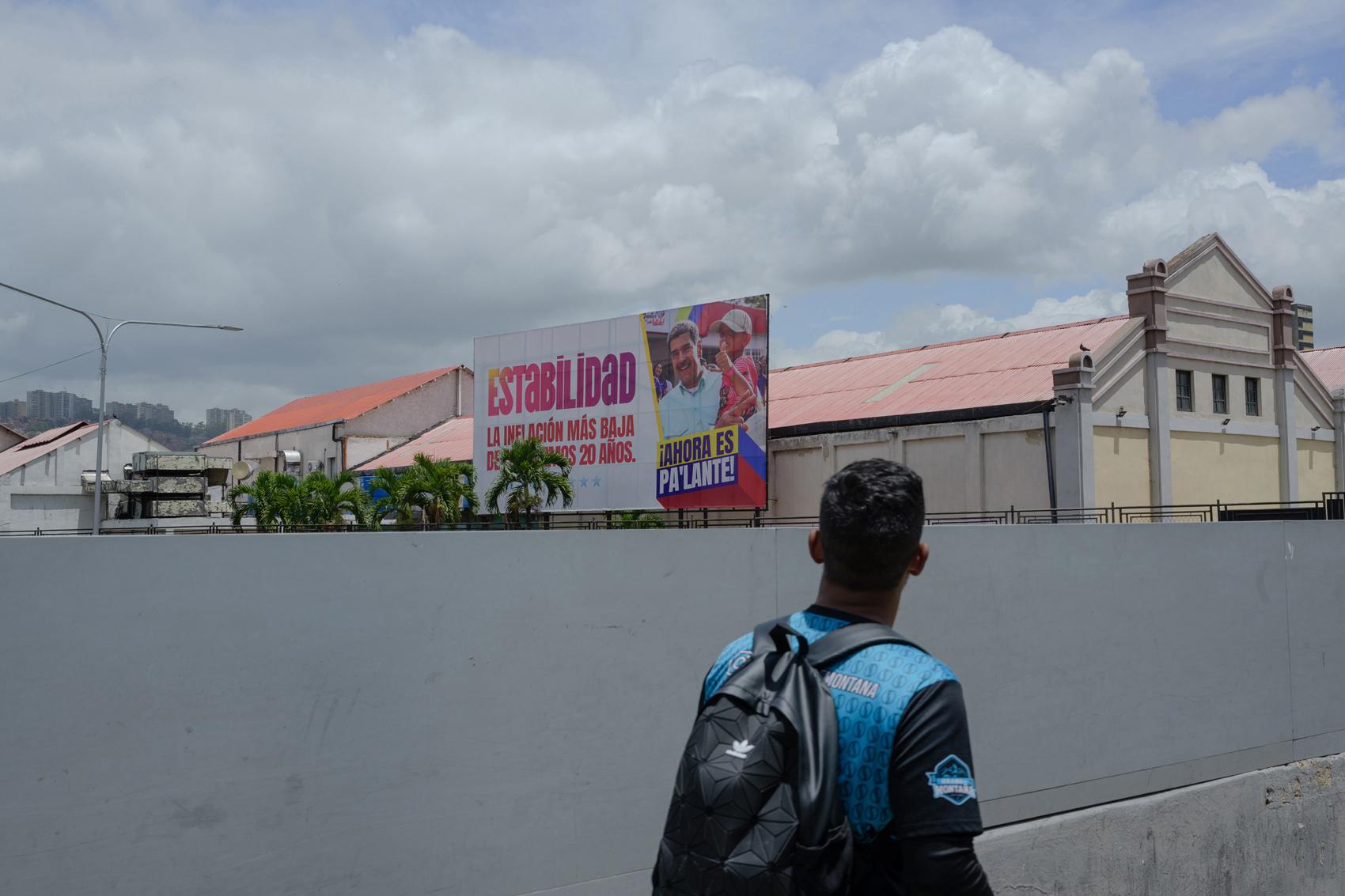
Venezuelan president Nicolás Maduro has increased repression against opposition since he declared himself winner of highly contested July elections. Nearly 8 million Venezuelans have fled a political and humanitarian crisis under his government.
Jorge Márquez, director of the Venezuelan American Center, a non-government organization, said the end of the program threw many Venezuelans into uncertainty. Some had waited up to 15 months for an answer.
“It’s not right that these pending applications don’t receive a response,” Márquez said.
Riskier routes
With the political and humanitarian crises in these four countries unchanged, the end of this program will likely push these people to more dangerous routes.
Manuel Prado, Houston-based president of the nonprofit organization Nicaraguan American Foundation, saw how the parole program helped ease irregular Nicaraguan migration. Nicaraguans who came to the U.S. under the program had somewhere to live and a suitcase full of clothes, easing the burden on organizations like his providing basic necessities for migrants.
After the parole program’s implementation, the steady stream of families showing up at a warehouse where his organization gave out food and clothes slowed to a halt. In recent months, as the program winded down under Biden, visits to the warehouse increased again.
Prado suspects the end of the program will lead more families to make the dangerous trek through Mexico.
“It’s going to be riskier. I think it’s going to be more dangerous,” Prado said.

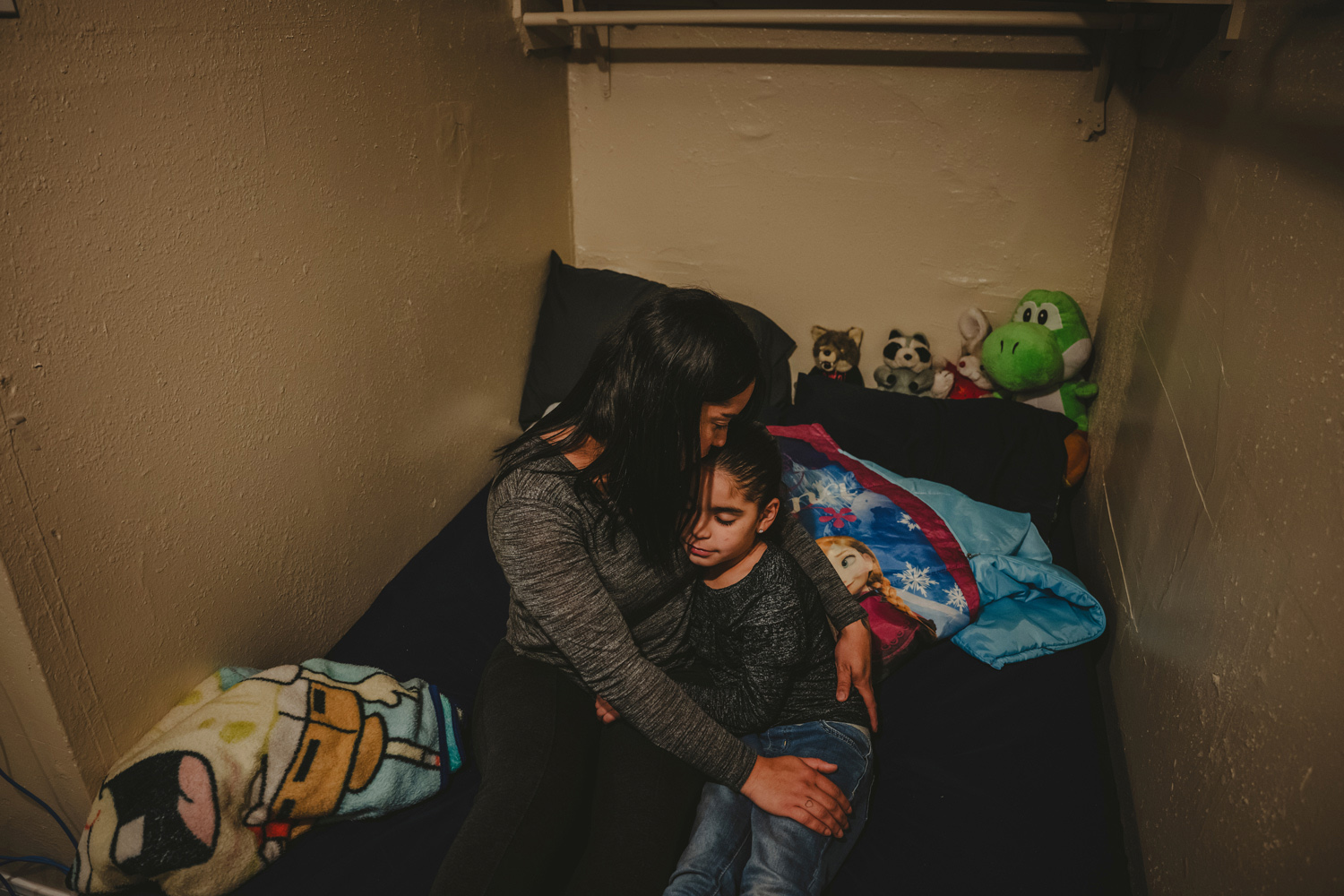
Márquez made a similar prediction. He emphasized that ending legal migration programs would not solve the Venezuelan migrant crisis.
“The problem of Venezuelan migration we’re going to resolve the day that we recover democracy and freedom in Venezuela,” Márquez said.
Tough decisions
Now, people with pending applications must decide if they will wait for another legal option, remain in their home countries, or if they will migrate illegally, traversing Central America and Mexico to reach the U.S. border.

José, a Venezuelan who had a pending application for the program along with his wife, was disappointed by the decision. Now, he is considering applying for a tourist visa so he can see his kids and finally meet his granddaughter.
“What we want is to see our kids and five-month granddaughter and return to our country if we can get a tourist visa,” said José, who is being identified by middle name for fear of retaliation from the Venezuelan government. “At this point, what we care about is being able to come and go.”
María remains resolute that she will not send her son with a smuggler to the U.S. border. She’s looking for other options of countries where she might receive asylum, and be able to bring her son.
“This country isn’t an option for me without my son,” María said.

